
Female Hair Loss Treatment: Causes, Best Solutions, Costs, and Clinic Guide
“Lately, my hair feels less voluminous.” “I feel like my parting is becoming more noticeable…”
You might be keeping these worries to yourself, unable to voice them. For women, hair is a vital part of their confidence and daily mood. That’s precisely why concerns about thinning hair run deep and feel so urgent.
Many women, just like you, struggle with changes in their hair. However, there is absolutely no need to lose hope. Female hair thinning can be improved by correctly understanding its causes and implementing appropriate countermeasures and treatments tailored to each individual.
In this article, from the perspective of a specialist with years of experience treating female hair loss, we will carefully address each of your concerns and questions—covering the causes, self-care measures and their limitations, comprehensive treatments available at specialized clinics, and even the costs and side effects you may be concerned about.
- Characteristics of Female Hair Loss
- Hair troubles many women struggle to voice
- Hair thinning in women in their 20s and 30s
- Hair thinning in women in their 40s, 50s, and beyond
- Hair thinning Self-Check
- Typical symptoms of female hair thinning
- Diffuse alopecia
- Postpartum hair loss
- Seborrheic alopecia
- Alopecia areata
- Traction alopecia
- Seborrheic alopecia
- Telogen effluvium
- Growth-related hair loss
- Drug-induced hair loss
- Thyroid disease
- Senile Alopecia
- Trichotillomania
- Causes of Progressive Hair Loss in Women
- Ultraviolet rays
- Lack of sleep
- Tobacco and alcohol
- Tight-fitting hat
- Women’s Hair Loss Treatment at Specialized Clinics
- Dermatology or Specialty clinic
- The process from initial consultation to treatment start
- Treatment with oral medication
- Topical medication (ointment)
- Hair transplantation
- Growth Factor Injection & Hair Growth Mesotherapy (HARG Therapy)
- How to Choose a Clinic That Suits You
- Does it have a lot results and case studies for female hair loss treatment?
- Is the pricing structure clear and easy to understand?
- Is there any consideration for privacy?
- Is the counseling provided by doctors and staff thorough?
- Is there any aggressive solicitation?
- Advantages and Disadvantages of Online Medical Consultations
- How to find the best treatment style for you
- Conclusion
Characteristics of Female Hair Loss
The notion that “thinning hair is a man’s problem” is outdated. Today, many women of all ages struggle with hair concerns. However, because these worries are often very sensitive, many find it difficult to discuss them even with friends or family.
First, let’s start by understanding the reality of female hair thinning.
Hair troubles many women struggle to voice
Many women face a variety of concerns, such as “my ponytail looks thinner,” “my part has widened and my scalp shows through,” and “my hair lacks overall volume, making it hard to style.”
These changes are not merely “all in your head.” Female hair loss is rarely characterized by a receding hairline or balding only at the crown, as seen in men. Instead, it is typically diffuse hair thinning, where hair becomes sparse and thin across the entire scalp.
As a result, it’s often difficult to notice the changes, and by the time they are noticed, the condition has frequently progressed to a certain extent. This very sensation of “feeling like it’s somehow thinned out” is likely the beginning of the concern many women face.
Hair thinning in women in their 20s and 30s
The most common cause in this age group is lifestyle imbalances. Factors like nutritional deficiencies from excessive dieting, stress from work or relationships, and lack of sleep disrupt the autonomic nervous system and hormonal balance, leading to poor scalp circulation.
Additionally, frequent hair coloring, perms, and hairstyles that pull the hair tightly can damage the scalp and hair roots, potentially leading to thinning hair. Postpartum hair loss, a temporary increase in hair shedding after childbirth, is also a common concern specific to this age group.
Hair thinning in women in their 40s, 50s, and beyond
After age 40, especially upon entering menopause, the secretion of the female hormone estrogen significantly decreases. Since estrogen plays a crucial role in promoting hair growth and maintaining its strength and resilience, this decrease directly leads to thinning hair.
This is the primary cause of what is known as female androgenetic alopecia (FAGA).
In men, hair thinning typically occurs locally at the crown and hairline where DHT (dihydrotestosterone) is abundant. In women, however, FAGA is characterized by hair becoming finer and weaker, leading to overall thinning. Additionally, accumulated damage from years of UV exposure and poor scalp circulation due to aging also contribute to the progression of thinning hair.
As such, the causes of thinning hair tend to vary by age group. Comparing these causes with changes in your lifestyle habits and physical condition is the first step toward identifying appropriate countermeasures.
Hair thinning Self-Check
Even if you think “it’s still okay,” signs indicating you need professional care may be present. If any of the following apply to you, we recommend considering consulting a specialist.
- My hair loss has clearly increased, and I’ve been losing over 100 strands a day for several days now.
- My part has visibly widened compared to before, and my scalp is now visible through it.
- Each strand of hair feels thin, lacking in body and resilience.
- My hair has lost volume overall, and my hairstyle just won’t hold.
- Concerned about scalp itchiness, dandruff, redness, and greasiness.
- Even after trying various shampoos and hair growth treatments, there’s still no sign of improvement.
These signs may indicate a disrupted hair cycle and weakened hair roots. Addressing the issue early can shorten the path to improvement.
Typical symptoms of female hair thinning
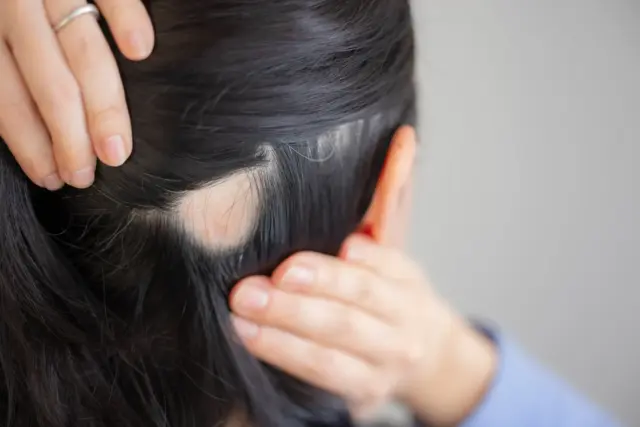
Women experience hair thinning symptoms unique to them that differ from those seen in men.
Diffuse alopecia
This is a common cause of female hair thinning, where hair loss occurs evenly across the entire scalp, resulting in thinning hair. Consequently, the boundaries of the affected areas are not clearly defined. This condition is commonly seen in women in their 40s and older, with causes including aging, stress, extreme dieting, and improper hair care.
Postpartum hair loss
The cause of postpartum hair thinning is that hair, which received nutrients from the baby in the womb during pregnancy and maintained its growth phase due to female hormones like estrogen (follicle hormone—a hormone that prepares for ovulation) in the later stages of pregnancy, suddenly enters the resting phase after childbirth.
Seborrheic alopecia
Seborrheic alopecia with dry dandruff occurs when dandruff clogs hair follicles, causing inflammation and preventing hair growth.
Dandruff can sometimes be caused by an unsuitable shampoo or irregular lifestyle habits, but it can also occur if you scrub your scalp too vigorously and damage it instead.
Alopecia areata
Suddenly, without any warning, hair falls out all at once. The areas of hair loss can range from one spot to several, or sometimes all body hair is lost. The cause is thought to be an “autoimmune disorder” triggered by abnormal function of lymphocytes, which are responsible for immune function. The triggers can vary, including stress or allergic diseases.
Treatment for alopecia areata is covered by insurance, so consider consulting a doctor at a clinic specializing in treatment for Male pattern baldness (AGA).
Traction alopecia
Long-haired women often experience hair loss due to hairstyles that pull on the hair, such as ponytails or updos. Typically, hair won’t fall out from a little pulling. However, wearing hairstyles that continuously pull on the hair for extended periods can strain the scalp and potentially lead to thinning hair.
Once you start noticing thinning hair, it’s wise to avoid hairstyles that strain your scalp. Instead, improve blood circulation with scalp massages to create a healthier scalp environment.
Seborrheic alopecia
This is caused by excessive sebum secretion and can sometimes lead to seborrheic dermatitis (seborrheic eczema), so prompt treatment is necessary.
Excessive sebum secretion can lead to seborrheic alopecia if you don’t shampoo regularly, use an unsuitable shampoo, or rinse inadequately, all of which are caused by oily buildup on the scalp.
Telogen effluvium
Sudden changes in mental or physical stress, or hormonal environment, cause hair follicles in the growth phase to transition into the resting phase, leading to hair loss approximately three months later. Common triggers include childbirth, pregnancy termination, discontinuation of oral contraceptives, major surgery, and severe emotional stress.
Most cases are temporary and do not require special treatment.
Growth-related hair loss
Chemotherapy, radiation therapy, and other treatments such as thallium or arsenic can disrupt the proliferation and differentiation of hair follicles. This causes hair to break off relatively abruptly after 1 to 3 weeks, without entering the resting phase.
Hair typically recovers once the use of such medications is discontinued, so no special treatment is required. However, using minoxidil can promote hair regrowth.
Additionally, keeping hair short beforehand is an effective measure to reduce breakage.
Drug-induced hair loss
Hair loss caused by medications is collectively referred to as drug-induced alopecia. While the cause is often unclear, it generally refers to hair loss that recovers after discontinuing the medication.
- Hyperlipidemia medication
- Parkinson’s disease medication
- Medications for peptic ulcer disease
- Antithrombotic agent
- Gout medication
- Nonsteroidal anti-inflammatory drugs
- Vitamin A derivative
- Antiepileptic drugs
- Antidepressantβ-blocker antihypertensive drug
- Antithyroid drugs
- Other
Thyroid disease
Hair loss frequently occurs primarily in hypothyroidism, including asymptomatic cases, causing hair to become brittle and prone to breakage. It is also seen in severe malnutrition and iron deficiency. Since hair typically recovers naturally once thyroid function is controlled (though not always completely), treating the underlying condition takes priority.
Senile Alopecia
Atrophy may occur due to functional decline caused by the aging of the hair follicle cells themselves. It often occurs diffusely, and in addition to minoxidil, HGH and melanin may also be effective.
Trichotillomania
A specific type of traumatic alopecia, it most commonly occurs during the school-age years, particularly in upper elementary school children.
Trichotillomania is a condition where individuals pull out their own hair due to an irresistible urge. It is rooted in the patient’s psychological background or personality.
Women are affected approximately twice as often as men. It is an irregular pattern without noticeable symptoms, not forming complete bald patches like alopecia areata. Short, broken hairs remain within the affected areas, and new hair growth is also present.
The extracted hair roots show signs of being in the growth phase, with the condition most common on the forehead and sides of the head. Pulling out hair and eating it (trichophagia) or nail-biting (onychophagia) may be observed.
Treatment plans must be determined considering age of onset, psychological background, and severity of symptoms. For school-age children, parental guidance is necessary; for adults, psychiatric issues may be present, requiring collaboration with psychiatrists or other mental health professionals.
Causes of Progressive Hair Loss in Women

Thinning hair in women is more likely to progress rapidly if lifestyle habits are problematic. Improvements can be expected by modifying the following lifestyle habits.
Ultraviolet rays
Excessive exposure to ultraviolet rays causes skin oxidation, which contributes to hair loss. Furthermore, sun-induced dryness damages hair proteins, accelerating hair loss.
Lack of sleep
Sleep is the time when nutrients are most effectively delivered to hair follicles, so reduced sleep duration accelerates the progression of FAGA.
Tobacco and alcohol
Nicotine constricts blood vessels, reducing blood flow to hair follicles and hindering nutrient exchange.
Furthermore, excessive alcohol consumption burdens the liver, preventing the production of proteins essential for hair, which contributes to the progression of FAGA.
Tight-fitting hat
Wearing a hat too tightly for extended periods can compress the capillaries in your scalp, hindering nutrient delivery to your hair and potentially contributing to the progression of FAGA.
Women’s Hair Loss Treatment at Specialized Clinics
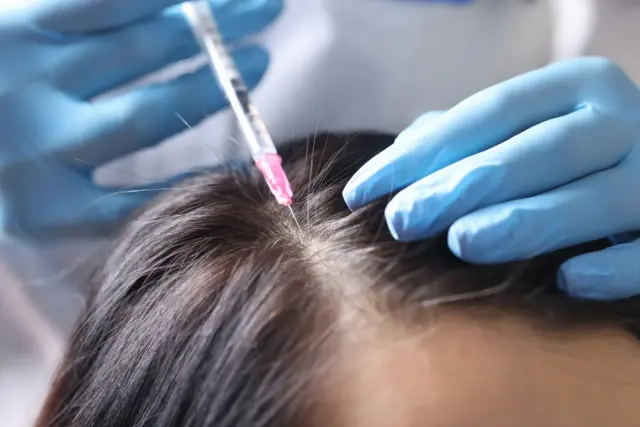
When you recognize the limits of self-care and decide you want serious treatment, the next step is a specialist clinic. However, many people feel that “hospitals seem intimidating” or “it’s scary not knowing what they’ll do.”
Here, we’ll explain exactly what happens at a clinic to help ease those concerns.
Dermatology or Specialty clinic
For hair loss consultations, you can choose between dermatology clinics and specialized hair loss clinics, each serving a different purpose. The right choice depends on your specific goals.
Dermatology clinics
Dermatology clinics specialize in treating skin conditions. However, many doctors are not specialists in treating FAGA (female androgenetic alopecia), and treatment options are often limited to basic oral and topical medications.
This treatment is suitable for individuals experiencing severe scalp itching, redness, excessive dandruff, or conditions such as alopecia areata where a clear “skin disease” is suspected.
Specialized hair loss clinics
Specialized hair loss clinics specialize in treating female hair loss, with doctors and staff possessing extensive knowledge and experience.
Specialized hair loss clinics offer detailed examinations to identify causes, including scalp diagnosis using microscopes and blood tests. Treatment options are diverse, encompassing oral medications, topical treatments, and injection therapy (mesotherapy).
Many clinics feature private rooms designed with privacy in mind, providing a comfortable environment for consultations.
This treatment is suitable for those experiencing overall hair thinning, such as FAGA or diffuse alopecia, and who are actively seeking to promote hair regrowth.
The process from initial consultation to treatment start
Treatment at a specialist clinic generally follows the steps below. Understanding the process can help you take that first step with confidence.
- Appointments: Schedule a free consultation by phone or through the website. Many clinics offer online booking.
- Free consultation and initial interview: First, a professional counselor will carefully listen to your concerns, lifestyle habits, and previous care history.
- Physician Examination: Next, the physician will examine the results of the consultation and the actual condition of your scalp. At many clinics, a microscope is used to examine the condition of the hair follicles and the thickness of the hair in detail.
- Diagnosis and treatment plan proposal: Based on the examination results, the doctor will diagnose the cause of your hair loss and propose the optimal treatment plan. You will receive a clear explanation of the treatment details, duration, and costs, allowing you to decide whether to proceed with treatment only after you are fully satisfied.
- Blood tests (as needed): Blood tests may be performed to assess your physical condition when prescribing medication.
- Start treatment: Once you are fully satisfied with everything, treatment will begin. This includes medication prescriptions and the initial treatment session.。
At many clinics, counseling is free of charge. Simply talking things through is a big step forward.
Treatment with oral medication
There are medications for preventing hair loss and promoting hair growth, including oral hair growth agents for women (such as Pantogar).
Generally, oral medications are more potent than topical ones, but they also carry side effects and risks.
Please note that some medications are for men only and cannot be used by women. If you are considering taking any medication, consult a physician at a specialized AGA hair loss treatment clinic.
Topical medication (ointment)
Applying the topical medication minoxidil directly to the scalp in areas of concern stimulates hair follicles and promotes hair growth.
Hair transplantation
Hair transplantation is a surgical treatment considered when hair loss progresses and medication proves ineffective. Hair follicles are transplanted from areas less affected by thinning, such as the back of the head, to the thinning areas.
Growth Factor Injection & Hair Growth Mesotherapy (HARG Therapy)
Growth Factor Injection & Hair Growth Mesotherapy (HARG Therapy) is a treatment that involves regularly injecting hair growth-promoting agents (such as hair regeneration Botox and hair regeneration cellular matrix PRP) directly into the scalp to stimulate hair growth while promoting thicker hair.
Recently, less painful treatment methods have been developed, showing results faster than other therapies, though they tend to be a bit more expensive.
How to Choose a Clinic That Suits You

The success of your treatment largely depends on which clinic you choose as your “partner.” Here, we explain specific points for selecting a clinic to avoid regret, along with the growing trend of online consultations.
Does it have a lot results and case studies for female hair loss treatment?
Male AGA treatment and female FAGA treatment differ in both cause and approach. Clinics with extensive experience treating women and that publish numerous before-and-after photos on their official websites and other platforms are one reliable indicator of trustworthiness.
Is the pricing structure clear and easy to understand?
Make sure the website clearly lists all treatment costs. Clinics that transparently disclose fees beyond medication—such as “no initial consultation fee, no follow-up fee, no examination fee”—offer greater peace of mind.
During your consultation, whether they clearly explain the total estimated cost is also a key point.
Is there any consideration for privacy?
Hair loss concerns are extremely sensitive. At a clinic with a “strict appointment-only policy and private rooms,” where you won’t encounter other patients, you can attend appointments with peace of mind, free from worrying about others seeing you.
Is the counseling provided by doctors and staff thorough?
Do they listen to you attentively and answer your questions thoughtfully? Do they thoroughly explain not only the benefits of treatment but also the drawbacks and side effects? Having doctors and staff you can trust is paramount for continuing treatment.
Is there any aggressive solicitation?
Avoid clinics that aggressively push expensive courses or unnecessary options. It’s crucial to assess whether they respect your preferences and budget, and are willing to work with you to develop a plan you feel comfortable with.
Advantages and Disadvantages of Online Medical Consultations
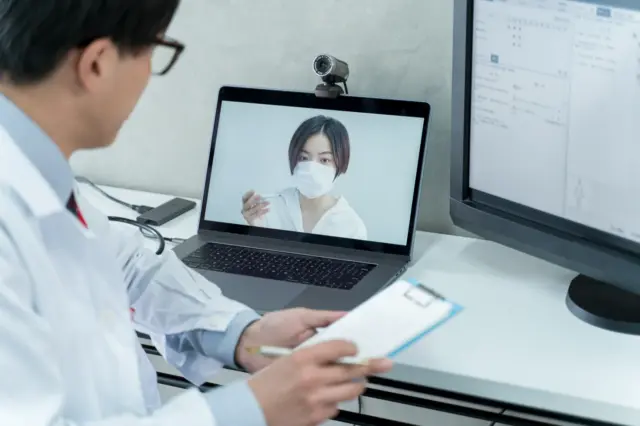
In recent years, more clinics have introduced “online consultations,” allowing patients to receive medical care from home using smartphones or PCs. This option has both advantages and disadvantages.
Advantages
- No need to visitthe clinic, saving you time and transportation costs
- Privacy is maintained
- It may be possible to reduce costs
Disadvantages
- Direct examination and testing are not possible.
- It takes time to pick up the medication.
- There are limitations to communicate.
How to find the best treatment style for you
So, which one should you choose? Use the following as a reference to select the style that best suits your situation and preferences.
People suited for online consultations
- Busy with work and childcare, unable to find time for hospital visits
- There is no specialized clinic nearby
- First, I’d like to start treatment easily and at low cost.
- Symptoms of thinning hair are relatively mild
People who are suited for in-person medical care
- I would like to have the causes of my thinning hair examined in detail using a microscope and blood tests.
- The symptoms are progressing, and we would like to consider treatments other than medication, such as injection therapy.
- I want to proceed with treatment while consulting thoroughly with the doctor face-to-face.
- In case of side effects or any other emergency, I want to be seen in person immediately.
You might consider starting with an online consultation and switching to an in-person appointment if necessary.
Conclusion
Through this article, I hope the vague unease you felt has transformed into concrete knowledge.
Let’s review the key points once more.
- Female hair thinning is not uncommon, and its causes vary depending on age and lifestyle habits.
- Self-care practices like diet and hair care are important foundations, but they have limitations when it comes to improving advanced hair thinning.
- At specialized clinics, you can receive effective treatments based on medical evidence.
You now have the right knowledge and many options to improve thinning hair. However, the most important and most effective next step is to stop worrying alone and consult a specialist.
Specialists will accurately diagnose the condition of your hair and scalp, then propose the optimal treatment plan tailored just for you from a wide range of options.
A free consultation is the first step toward this. Why not face your long-standing concerns together with an expert?
Frequently Asked Questions
- Is female hair loss treatment not covered by insurance or eligible for medical expense deductions?
Yes, treatments for hair loss considered cosmetic purposes, such as female androgenetic alopecia (FAGA), are generally not covered by insurance and are not eligible for medical expense deductions. This is because the treatment is not for life-threatening illnesses or injuries.
However, if a doctor diagnoses that hair loss is caused by another condition, such as alopecia areata or thyroid disease, insurance may cover it as part of the treatment for that underlying condition.
まずは専門医に原因を正しく診断してもらうことが、費用面でも治療面でも重要です。