
What is Hair Transplantation? A Comprehensive Guide : Types, Pros, Cons, and Costs
Key Points
- ① Hair transplantation is a treatment that fundamentally improves thinning hair by transplanting your own hair.
This medical technique involves harvesting hair from areas less affected by hair loss, such as the back and sides of the head, as “donor” hair. This hair is then transplanted to thinning areas to achieve a natural appearance and long-term hair growth results.
The transplanted hair is less susceptible to the effects of Male pattern boldness (AGA), offering the potential for lasting results. - ② Correctly Understanding the Differences, Advantages, and Disadvantages Between Natural Hair Transplants and Artificial Hair Transplants
Natural hair transplants use the patient's own hair, offering superior graft survival rates, natural appearance, and minimal risk of rejection.
Artificial hair transplants, while inexpensive and providing immediate results, present safety concerns such as inflammation and low graft survival rates, making the judgment of a specialist physician crucial. - ③ Hair transplantation is a surgical procedure, and understanding its suitability, costs, downtime, and post-operative care is essential.
Hair transplantation involves post-operative redness and swelling, as well as shock loss (temporary hair shedding immediately after transplantation).
Results may take approximately one year to become apparent. Therefore, thorough consultation with a physician and careful planning before treatment are recommended.
Are you anxious about your thinning hair, feeling your confidence waver every time you look in the mirror? Many people say, “I tried hair growth products but didn’t see results” or “I feel like Male pattern boldness (AGA) medication has reached its limits.”
In fact, misconceptions and anxieties about hair transplantation might be causing you to overlook a fundamental solution.
Modern hair transplant techniques have evolved remarkably. Minimally invasive methods like FUE and Smart Graft achieve natural-looking results with semi-permanent effects.
This article thoroughly explains hair transplantation—what it entails, its pros and cons, cost ranges, and recovery time—from the perspective of a physician at Osaka AGA Kato Clinic. Gain accurate knowledge to make a choice you won’t regret and take the first step toward regaining your confidence.
We also explain the treatment process for autologous hair transplantation, which is recommended in the society’s guidelines.
- What is Hair Transplantation? Mechanism and Characteristics
- Reasons why hair transplantation is necessary
- Characteristics of individuals suitable for hair transplantation
- When is hair transplantation not suitable?
- Types and Characteristics of Hair Transplantation
- What is hair transplantation?
- What is artificial hair transplantation?
- Comparison Chart: Natural Hair Transplant vs. Artificial Hair Transplant
- General Hair Transplant Procedure
- Free consultation
- Health checkup
- Haircut
- Local anesthesia
- Graft harvesting
- Recipient Site creation
- Graft transplantation
- Postoperative care
- Hair Transplant Procedure
- Characteristics, Precautions, and Cost Range of FUT (Strip Method)
- Characteristics, Considerations, and Cost Range of FUE (Direct Method)
- What is Smart Graft? Features, Considerations, and Cost Estimates of the Latest Technology
- Cost-Effectiveness Comparison Between Other AGA Treatments and Hair Transplantation
- Success Rates and Effects of Hair Transplantation
- What is the hair transplant survival rate? The key to success
- Period until effects are noticeable
- What is temporary shock loss?
- Long-term durability of hair transplantation
- Risks, Side Effects, and Safety of Hair Transplantation
- Risk of infection
- Swelling
- Pain
- Scar formation
- How to minimize the risks
- Why should you Choose an Experienced Clinic for Hair Transplantation?
- Conclusion
What is Hair Transplantation? Mechanism and Characteristics
Hair transplantation is a medical technique that involves harvesting healthy hair follicles (grafts) from areas where hair remains, such as the back or sides of the head (the donor area), and transplanting them to areas of concern where hair has thinned. The key principle behind hair transplantation lies in utilizing the characteristic that hair on the back of the head is less susceptible to the effects of Male pattern boldness (AGA).
When most people hear “hair transplant,” they tend to imagine a procedure using artificial hair. However, the mainstream method today is “autologous hair transplantation,” which utilizes one’s own hair.
Because it uses your own hair, the appearance after transplantation is extremely natural, and there is little concern that others will notice you’ve had a hair transplant.
Reasons why hair transplantation is necessary
In areas where hair loss has progressed significantly and the hair follicles have completely atrophied, regrowing hair is difficult even with the highest quality hair growth products. In such cases, hair transplantation—the process of transplanting healthy hair follicles—is the only fundamental solution.
Furthermore, AGA is a progressive condition, and discontinuing treatment may lead to renewed hair loss. Hair transplantation offers a significant advantage: the transplanted hair originates from the donor area, which is less susceptible to AGA. Consequently, even if treatment is stopped, there is little concern that the established hair will fall out.
Characteristics of individuals suitable for hair transplantation
Hair transplant surgery is not a suitable option for everyone and is most effective for individuals who meet specific criteria.
- Possesses a sufficient quantity of healthy donor hair
- The cause of thinning hair is Male pattern boldness (AGA)
- 25 years of age or older
- Do not smoke
- We have a clear estimate of the long-term costs
First and foremost, it is crucial to have a sufficient quantity of healthy donor hair. Individuals with dense hair remaining at the back and sides of the head can more easily secure high-quality grafts, leading to a natural-looking result.
Additionally, cases where the cause of thinning hair is clearly AGA (Male pattern boldness (AGA)) are also good candidates for hair transplantation. This is because AGA has strong genetic factors and a predictable progression pattern, making it easier to plan the transplant.
Conversely, if hair loss is due to inflammatory conditions like alopecia areata or seborrheic dermatitis, controlling the underlying disease takes priority.
Age-wise, individuals over 25 with a stable pattern of thinning hair are ideal candidates. Younger individuals have an uncertain future hair loss pattern, increasing the risk that surrounding hair may fall out after transplantation, resulting in an unnatural appearance.
Furthermore, cooperative patients who are willing to follow post-operative care instructions and do not smoke are also good candidates. Research has shown that smoking impairs blood flow and negatively affects graft survival rates.
Finally, financial readiness is crucial. Hair transplantation is an out-of-pocket procedure not covered by insurance and carries significant costs.
Having the financial flexibility to consider multiple sessions as needed, rather than limiting oneself to a single procedure, often leads to higher satisfaction with the final results.
When is hair transplantation not suitable?
It is important to understand that hair transplantation is not a universal solution. In certain situations, it may be better to consider alternative approaches.
- Insufficient donor hair
- The cause of thinning hair is unclear
- Severe diabetes, bleeding disorders, immunodeficiency states, poorly controlled hypertension
- Under 20 years old
- Those seeking an immediate solution
First, there is the case where the donor area lacks sufficient hair. Individuals with thinning hair across the entire back of the head, or those who have previously undergone hair transplant surgery and depleted their donor area, may have limited options.
Additionally, caution is needed when the cause of thinning hair is unclear. Hair loss can be triggered by various factors beyond Male pattern boldness (AGA), such as thyroid dysfunction, vitamin deficiencies, or drug-induced alopecia.
In these cases, addressing the underlying disease or condition may allow for natural recovery. Therefore, obtaining an appropriate diagnosis and treatment from a specialist should be prioritized.
Physical health status is also a critical consideration. Individuals with underlying conditions that increase surgical risk, such as severe diabetes, bleeding disorders, immunodeficiency states, or poorly controlled hypertension, may be unsuitable candidates for hair transplantation.
Younger individuals, particularly those under 20, are often not ideal candidates for hair transplantation. At this age, the pattern of hair thinning is not yet established, making it difficult to predict future hair loss and plan the procedure effectively.
It is recommended to first pursue conservative treatment with medications for Male pattern baldness (AGA) for several years to allow hair loss to stabilize.
Finally, hair transplantation is not suitable for those seeking a quick, cost-effective solution. Results take several months to become apparent, and the full outcome is typically assessed after one year.
For individuals seeking an immediate solution, non-surgical approaches like hair thickening treatments or hairpieces may be more appropriate.
Types and Characteristics of Hair Transplantation
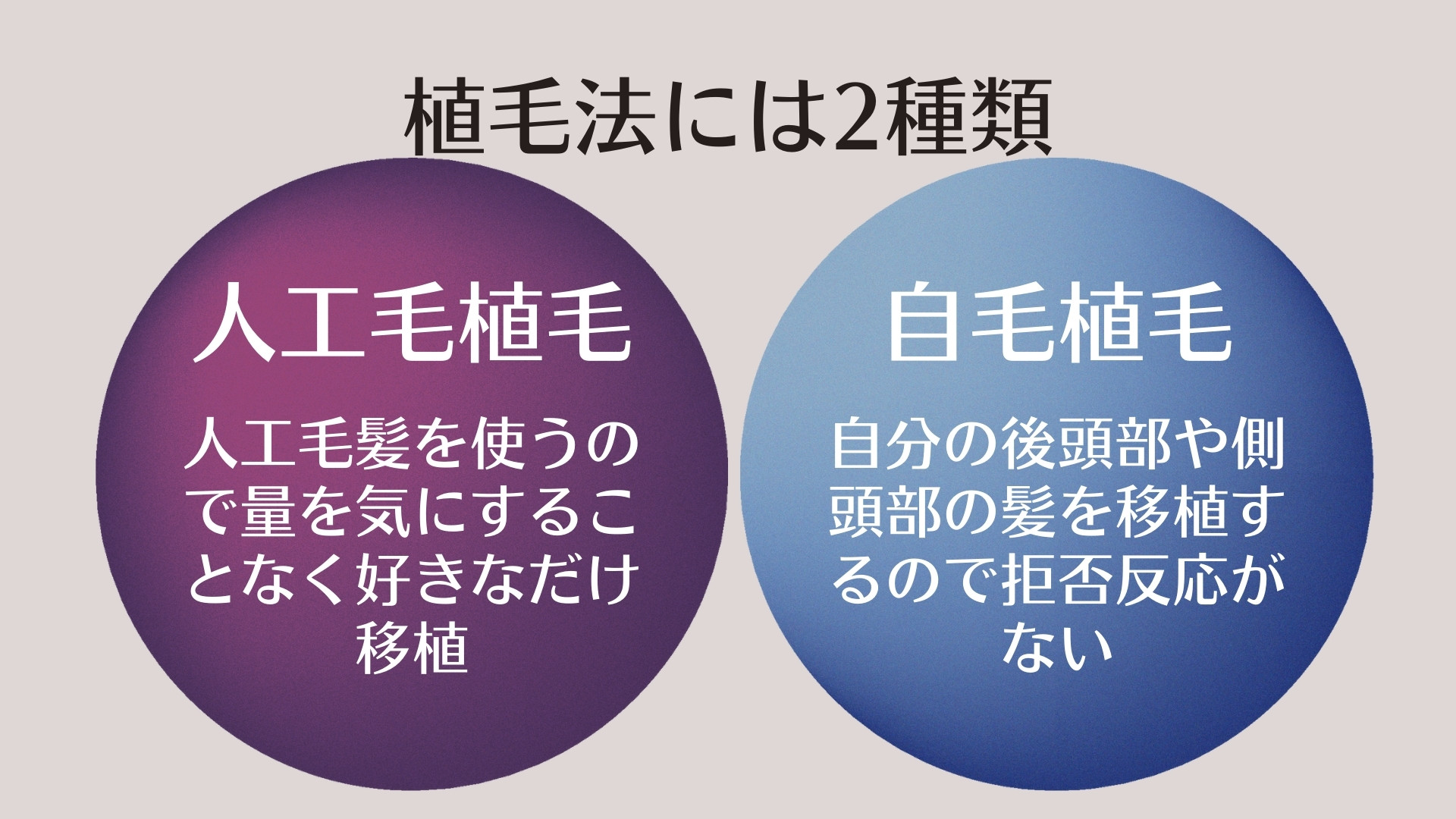
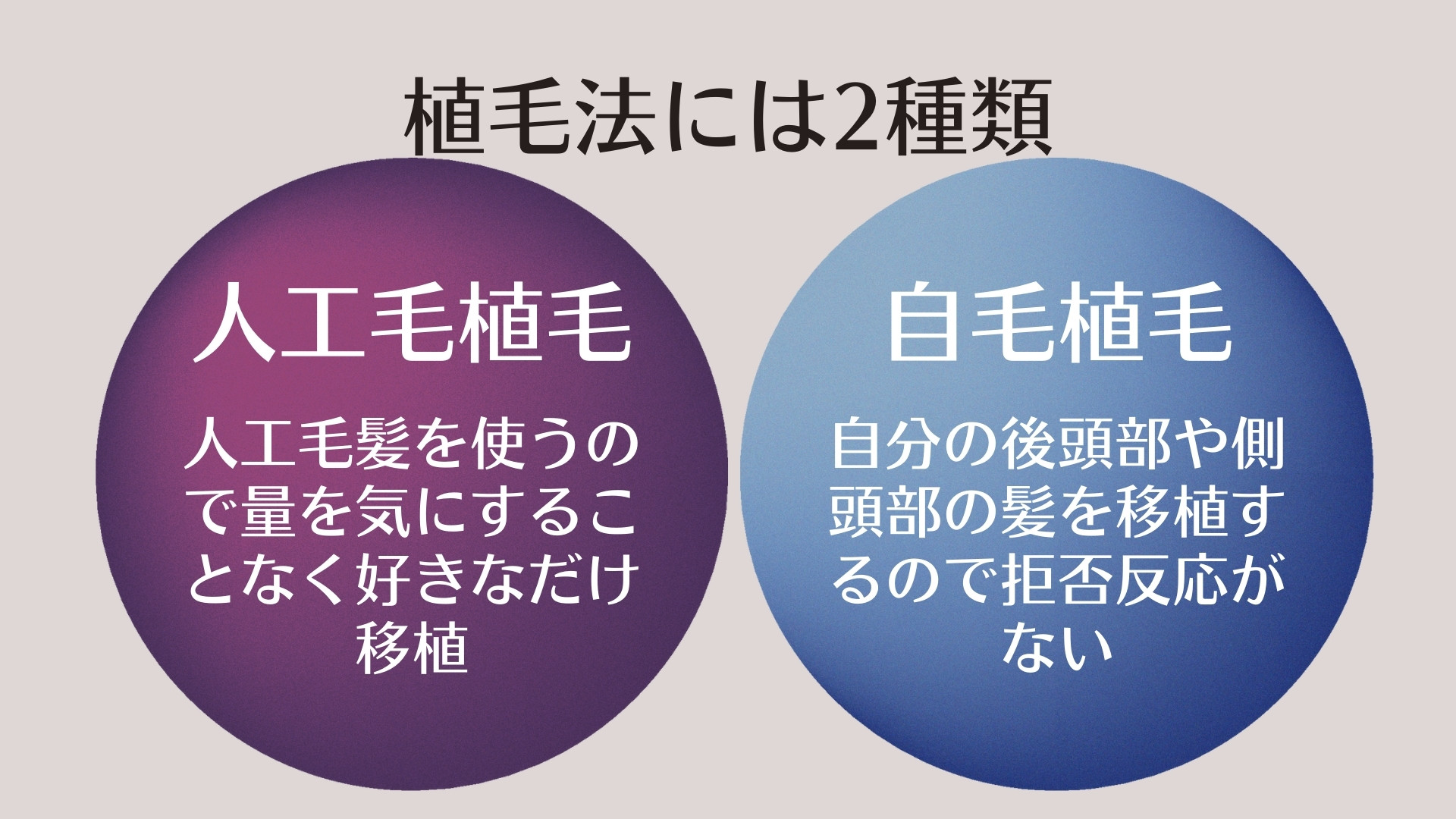
Hair transplant techniques are broadly categorized into two types: “autologous hair transplantation” and “artificial hair transplantation,” each possessing distinct characteristics. In modern medicine, autologous hair transplantation is the mainstream method due to its safety and natural appearance. Within this category, multiple techniques exist based on the harvesting method.
What is hair transplantation?
Autologous hair transplantation involves transplanting hair from the back or sides of the head to areas experiencing hair thinning. Since your own hair is used, the transplanted area is less prone to inflammation, allowing for long-term results.
However, depending on the hair growth cycle of the transplanted hair, the area may not immediately become thick and full. It typically takes about one to one and a half years for the hair to fully grow in.
The 2017 edition of the Male and Female Pattern Hair Loss Treatment Guidelines states that it is “recommended to perform.” Since hair transplantation involves harvesting hair from another area of the scalp where hair is currently growing, the amount of hair that can be transplanted is limited.
Advantages of hair transplantation using your own hair
- The texture of the hair blends seamlessly with your natural hair.
- No post-operative maintenance required
- Transplanted hair is less prone to thinning
- It can transplant even to areas that were originally hairless
- The possibility of complications is extremely low
The greatest advantage of autologous hair transplantation is undoubtedly its natural appearance and semi-permanent results. Since your own hair is used, the color, texture, and growth pattern will all match your original hair.
Furthermore, once the grafts take root, they continue to function as living tissue. This allows you to enjoy daily activities like shampooing, bathing, and sports without restriction. Unlike wigs or hairpieces, there’s no need for removal or special maintenance. The fact that you can live normally with “your own hair” is another major appeal.
Safety is also a strong point. Since your own tissue is used, the risk of rejection or foreign body reactions is extremely low. When performed properly, the possibility of serious complications is virtually negligible.
Furthermore, since hair transplantation offers long-term results from a single procedure, it can provide better cost-effectiveness in the long run compared to the ongoing use of hair growth products or Male pattern boldness (AGA) medications.
Considering annual costs, high-quality hair growth products or Male pattern boldness (AGA) medications typically cost around ¥100,000 to ¥150,000 per year. Over ten years, this amounts to approximately ¥1,000,000 to ¥1,500,000, which can be comparable to the cost of a mid-range hair transplant procedure.
Disadvantages of hair transplantation using your own hair
- Depending on the method, pain may occur during the postoperative recovery period
- Depending on the extent of hair thinning, you may not be eligible for hair transplantation
- Compared to other hair loss treatments, it tends to be more expensive
- The hair texture at the front and back of the head is different, making the hairline prone to looking unnatural
- Scarring (redness at the implant site) may remain.
- Hair density becomes sparse at regular intervals
First, since this is a surgical procedure, downtime is involved. After treatment, redness and swelling of the scalp may last for about 1 to 2 weeks, and it may take time to return to normal social activities.
Cost-wise, the significant initial investment is also a challenge. Even small-scale procedures cost around ¥500,000, while extensive treatments can cost between ¥1 million and ¥3 million. As this is private treatment not covered by insurance, the full cost is borne by the patient.
Technically, it’s important to understand that the amount of hair available from the donor area is limited.
Finally, it’s essential to know that it takes time for the results to become apparent. Immediately after transplantation, the transplanted hair will temporarily fall out (shock loss) within about 2 to 3 weeks, and new hair growth will begin approximately 3 to 4 months later.
The full results can only be evaluated about one year after the procedure, making it unsuitable for those seeking immediate results.
What is artificial hair transplantation?
Artificial hair transplantation involves implanting synthetic fibers made to resemble human hair into the scalp. While it once had a certain demand due to its convenience, medical institutions in Japan now rarely perform the procedure due to safety concerns.
Since artificial hair is not living tissue, it bonds weakly to the scalp and carries a risk of falling out over time. Additionally, reports indicate it may cause scalp inflammation or infections as a foreign body reaction.
Advantages of artificial hair transplantation
- You can get hair transplants in any number and range you like
- Cheaper than natural hair transplantation
- Minimal discomfort during treatment
Disadvantages of artificial hair transplantation
- Inflammation may occur after surgery
- Texture and color may appear unnatural
- Transplanted hair does not grow
- Regular maintenance is required
The disadvantages significantly outweigh the benefits. The most serious concern is safety.
Since artificial hair is a foreign substance, it has low affinity with the scalp, increasing the risk of inflammation and infection.
Long-term retention rates are also problematic. Artificial hair tends to gradually fall out, and it is not uncommon for a significant amount to be lost within 1 to 3 years.
Consequently, regular additional procedures become necessary, potentially increasing long-term costs.
Artificial hair also has limitations in terms of natural appearance. Particularly over time, its texture and color can change, making the difference from natural hair more noticeable.
For these reasons, professional organizations such as the Japanese Dermatological Association and the International Society of Hair Restoration Surgery (ISHRS) do not recommend artificial hair transplantation. Current medical consensus considers autologous hair transplantation the standard treatment due to its safety and effectiveness. Artificial hair transplantation is generally excluded as an option except in special cases.
Comparison Chart: Natural Hair Transplant vs. Artificial Hair Transplant
| Comparison Items | Natural Hair Transplant | Artificial Hair Transplant |
|---|---|---|
| Immediate effect | △ | ◎ |
| Number of units that can be handled | △~〇 | ◎ |
| Persistence of effect | 〇 | △ |
| Physical strain | ◎ | △ |
| Hair texture | ◎ | △ |
| Naturalness of the hairline | 〇 | △ |
| Scar | △ | 〇 |
| Treatment fee | △ | 〇 |
| Running costs | 〇 | △ |
General Hair Transplant Procedure

Hair transplant treatment is not just a single procedure, but a comprehensive process encompassing everything from preoperative preparation to postoperative care. Understanding the entire flow will help you approach treatment with confidence.
Free consultation
The first step is a free consultation at a specialized clinic. Here, your current hair loss condition is assessed, the hair density in the donor area is evaluated, and appropriate treatment options are proposed.
During this consultation, examinations such as magnified scalp photography and hair density measurements may also be conducted. Many clinics offer services using 3D simulation to help you visualize the results after hair transplantation.
Health checkup
After counseling, if you decide to proceed with hair transplantation, you will undergo a preoperative health examination. This involves tests such as blood work and an electrocardiogram to confirm there are no issues that would interfere with the surgery.
Additionally, at this stage, the doctor will provide you with preoperative instructions, including restrictions on smoking and alcohol consumption, and the discontinuation of specific medications.
Haircut
On the day of surgery, hair is typically cut first. Especially with the FUT method, cutting the donor area short improves surgical efficiency.
Local anesthesia
Next, local anesthesia is administered to prevent you from feeling any pain. While the effectiveness of the anesthesia varies from person to person, most patients report feeling only a slight prick of pain, which is tolerable for many.
Graft harvesting
During the graft harvesting step, grafts are extracted from the back of the head based on the selected method (FUT or FUE).
In the FUT method, a strip of skin is excised and then separated into individual grafts under a microscope.
In contrast, the FUE method uses specialized tools to extract hair follicles one by one. This process accounts for approximately half of the total surgery time, taking longer for larger transplant areas.
Recipient Site creation
Next, small holes (recipient sites) are created at the transplant site. This step significantly impacts future hair growth patterns, requiring both the surgeon’s technical skill and artistic sense.
The holes are meticulously crafted, considering every detail: the angle and density of hair growth, as well as the design of a natural hairline.
Graft transplantation
Next, the harvested grafts are carefully implanted one by one. This procedure is performed by skilled technicians, and it is crucial to position them accurately while minimizing damage to the grafts.
For small-scale hair transplants of around 1,000 grafts, the procedure takes 4 to 5 hours. For transplants exceeding 2,000 grafts, it can be a full-day surgery.
Postoperative care
After the procedure is complete, the head is lightly bandaged for protection, and post-operative instructions are provided. In most cases, patients can return home the same day.
Regular follow-up appointments will be scheduled post-surgery. Typically, you will visit the clinic at intervals of 1 day, 1 week, 1 month, 3 months, 6 months, and 1 year after the procedure.
During this period, the transplanted hair will temporarily fall out (shock loss). New hair growth will begin approximately 3 to 4 months later. The full results will be visible about one year after the surgery.
Hair Transplant Procedure
Hair transplant techniques have rapidly evolved in recent years, starting with the traditional FUT method, followed by the FUE method, and now including the latest Smart Graft and other techniques.
Each method has its own characteristics and suitable cases, allowing selection based on the patient’s condition and preferences.
For detailed information on the typical costs of various treatments for Male pattern baldness (AGA), including hair transplant surgery, please refer to the article below.
Characteristics, Precautions, and Cost Range of FUT (Strip Method)
FUT (Follicular Unit Transplantation), also known as the strip method, has a long-established track record as a traditional hair transplant technique. The fundamental process involves removing a strip of skin from the back of the head, dissecting it under a microscope into individual hair follicle units (grafts), and then transplanting these.
The FUT method has a long history of clinical use and is a technically established technique. FUT performed by a highly skilled physician continues to be highly regarded for its high graft survival rate and natural-looking results. However, it is crucial to select the optimal method based on individual circumstances and preferences.
Features
The greatest feature of the FUT method is its efficiency in harvesting a large number of grafts at once. Since a strip of skin is removed from the back of the head, approximately 2,000 to 4,000 grafts can be harvested in a single procedure, making it suitable for treating extensive areas of thinning hair.
Furthermore, processing under a microscope allows for harvesting while protecting the tissue surrounding the hair follicles (the bulge area), resulting in high-quality grafts with excellent survival rates.
Cost
In terms of cost, the procedure tends to be more affordable than the FUE method due to its greater efficiency. The typical price range in Japan is approximately ¥300 to ¥500 per graft. For 2000 grafts, the cost is generally around ¥600,000 to ¥1,000,000. Of course, the actual cost varies depending on the clinic and the surgeon’s experience.
Important notes
On the other hand, the FUT method also has several considerations. The most significant concern is the linear scar left on the back of the head. While recent advances in suturing techniques have made the scar less noticeable than before, it may still be visible with short hair.
It may not be suitable for those who do not want restrictions on their hairstyle.
Additionally, postoperative pain and discomfort are relatively strong, and the recovery period is typically longer. Many patients experience significant tightness and pain in the back of the head for 1 to 2 weeks after surgery, which can delay returning to normal daily activities or work.
Restrictions on tilting the head backward may also occur. Individuals in occupations requiring prolonged maintenance of specific postures, such as desk work or driving, should carefully plan their time off.
Furthermore, the FUT method has the limitation that repeated harvesting from the same donor area is difficult. For subsequent surgeries, harvesting must avoid the scar from the previous procedure, gradually reducing the available donor area.
Younger individuals who may require multiple hair transplant procedures in the future should consider this point.
Characteristics, Considerations, and Cost Range of FUE (Direct Method)
The FUE (Follicular Unit Extraction) method, also known as the Direct Method, is a relatively new hair transplant technique that began gaining popularity in the 21st century. This method uses a specialized cylindrical tool (punch) to directly extract individual hair follicle units from the back of the head.
Because it does not involve excising a strip of skin like the FUT method, it has gained attention as a “scalpel-free hair transplant.”
Features
The greatest appeal of the FUE method is that it leaves no noticeable scarring. While tiny dot-like marks about 1mm in diameter remain at the extraction site, these become inconspicuous within a short period. Even if you cut your hair short about 1 to 2 weeks after surgery, it looks perfectly natural.
For this reason, it is particularly favored by those who prefer short hairstyles or have strong concerns about scarring.
It also offers the advantage of faster post-operative recovery. Compared to the FUT method, it is less invasive to the scalp, reducing post-operative pain and discomfort and allowing for a quicker return to daily life. Many patients can resume light work within 2-3 days after surgery and return to their normal activity level in about a week.
Another major advantage of the FUE method is its greater flexibility in donor site selection. Grafts can be harvested not only from the back of the head but also from the sides, and in some cases, from facial hair or other body hair. This makes it suitable even for individuals with insufficient hair density at the back of the head.
It can also be used for scar revision in individuals who previously underwent FUT surgery.
Cost
In terms of cost, it tends to be more expensive than the FUT method. As it is a technically delicate and time-consuming procedure, the market rate in Japan is approximately ¥400 to ¥700 per graft. For 2000 grafts, the estimated cost ranges from about ¥800,000 to ¥1,400,000.
At higher-end clinics, the cost per graft can exceed ¥1000.
Important notes
On the other hand, the FUE method also has several points to note. First, compared to the FUT method, the surgery tends to take longer. Because grafts are harvested one by one, especially when a large number of grafts are needed, the procedure time can exceed 8 hours and may sometimes be split over two days.
Additionally, there are limitations on the number of grafts that can be harvested. Generally, the target number of grafts that can be harvested in a single session is around 2000. If more are needed, multiple sessions may be required.
However, using the latest equipment, a skilled surgeon can sometimes harvest close to 3000 grafts in a single day.
FUE technique has evolved rapidly in recent years, with advances in specialized device development and procedural refinement. The introduction of electric FUE devices, in particular, has improved procedure efficiency and precision while minimizing damage to the grafts. However, the success of FUE heavily depends on the surgeon’s skill and experience, making it crucial to select a surgeon with a proven track record.
What is Smart Graft? Features, Considerations, and Cost Estimates of the Latest Technology
SmartGraft is an innovative hair transplant system utilizing cutting-edge FUE technology. It further evolves the conventional FUE method, aiming to perform the entire process—from graft extraction to preservation and transplantation—efficiently and with minimal invasiveness.
Features
The key feature of SmartGraft lies in its ability to preserve the quality of harvested grafts. With conventional FUE methods, harvested grafts often remain exposed to the air for extended periods, increasing the risk of drying out and damage.
SmartGraft employs a system where grafts are automatically stored in a specialized moist environment immediately after extraction, enhancing their survival rate.
Furthermore, SmartGraft enables computer-controlled precision extraction, minimizing damage to the grafts. The punch’s rotation speed and depth are optimized, reducing the risk of damaging hair follicles. This allows for the efficient extraction of high-quality grafts.
Significant time reduction is another major advantage. Compared to conventional FUE methods, SmartGraft is reported to shorten surgery time by approximately 30-40%. For a 2000-graft procedure, this translates to a reduction from approximately 8 hours to about 5 hours.
For patients, major benefits include low invasiveness and short downtime. Smart Graft harvests follicles with minimal tissue damage, reducing scalp stress and accelerating recovery.
Many patients can return to light work within 2-3 days post-surgery and resume normal activity levels in about 5 days.
Cost
In terms of cost, the latest technology and high initial investment in specialized equipment generally make it more expensive than the traditional FUE method.
The typical price range in Japan is approximately ¥500 to ¥900 per graft. For 2000 grafts, the cost is generally around ¥1,000,000 to ¥1,800,000.
However, considering the reduced surgery time and high graft survival rate, it can be said to offer good long-term cost performance.
Important notes
On the other hand, Smart Graft also has several points to consider. First, as it is a cutting-edge technology, the number of clinics offering it is limited. Furthermore, even among clinics that have introduced it, there are differences in the experience of the physicians performing the procedure.
Even if the technology itself is excellent, the experience and skill of the physician performing the procedure are crucial factors. It is important to receive thorough counseling at a reputable clinic and make the choice that is best suited for you.
Cost-Effectiveness Comparison Between Other AGA Treatments and Hair Transplantation
While hair transplant treatment requires a significant initial investment, it can demonstrate superior cost-effectiveness compared to other AGA treatments when viewed from a long-term perspective. By comparing the characteristics and costs of various treatment options, you can make the choice that best suits you.
First, let’s outline the main options for AGA treatment:
- Oral medications (Finasteride, Dutasteride): ¥5,000 to ¥15,000 per month
- Topical medication (Minoxidil): ¥3,000–10,000 per month
- Phototherapy, mesotherapy, etc.: ¥20,000–¥50,000 per session; requires 1–2 visits per month
- Hair Extension Methods (Extensions, etc.): Initial cost ¥200,000–500,000, Maintenance cost every 2–3 months ¥50,000–150,000
- Wigs and hairpieces: ¥200,000 to ¥1,000,000, annual maintenance costs ¥100,000 to ¥200,000
- Hair Transplant: ¥500,000 to ¥2,000,000 per session (depending on the treatment area)
Oral and topical medications for AGA treatment can be started at a relatively low monthly cost, but continuous use is necessary to maintain their effects.
For example, using a ¥10,000 monthly medication for 10 years incurs a total cost of ¥1.2 million. Furthermore, while these medications primarily inhibit progression and offer some hair growth promotion, they have limitations in significantly restoring hair already lost.
Hair augmentation methods and wigs offer immediate results but require regular maintenance. For hair augmentation, in addition to the initial cost, annual maintenance fees of approximately ¥150,000 to ¥600,000 are incurred, totaling ¥750,000 to ¥3,000,000 over five years.
In contrast, hair transplantation offers semi-permanent results with a single procedure. For example, even if moderate transplantation (2000 grafts) costs ¥1 million, if the effect lasts over 10 years, the annualized cost is less than ¥100,000.
However, it is important to understand that additional transplants may be necessary if AGA progression causes thinning in other areas.
Hair transplantation is considered particularly cost-effective in the following cases:
- When extensive hair thinning has already progressed and sufficient results cannot be expected from medication alone
- Individuals in their 30s and 40s considering long-term treatment
- For those who wish to avoid the constraints of daily life and enjoy swimming and sports
- Those who wish to avoid the hassle of maintenance or regular visits to the doctor
Success Rates and Effects of Hair Transplantation
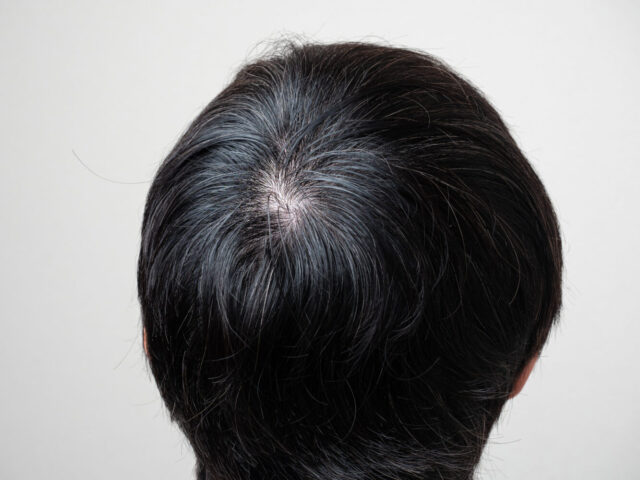
The effects of hair transplantation do not appear overnight; they depend on various factors such as graft survival rate, recovery period, and long-term progression. The success of the surgery is influenced not only by technical aspects but also significantly by post-operative care and the patient’s own lifestyle habits.
What is the hair transplant survival rate? The key to success
The “graft survival rate” in hair transplantation refers to the percentage of transplanted grafts (hair follicle units) that actually take root and continue to grow. This is one of the key indicators for measuring the success of a hair transplant, and a high survival rate leads to highly satisfactory results.
With modern hair transplant techniques, an average survival rate of 85-95% can be expected when the procedure is performed under appropriate conditions. However, it is important to understand that these figures vary between individuals and can fluctuate due to various factors.
Factors that influence the survival rate include the following:
- The physician’s skill and experience
- Graft quality
- Graft handling time
- The patient’s overall condition
- Postoperative care
- Scalp condition
To increase the success rate of hair transplantation, it is recommended to pay attention to the following points.
- Choosing a proven, trustworthy doctor or clinic
- Refrain from smoking and drinking alcohol before surgery and maintain overall physical health.
- Follow the doctor’s instructions for proper postoperative care.
The key point is to understand that achieving a 100% graft survival rate is unrealistic; a survival rate of around 85-95% is sufficient for a natural-looking result.
Furthermore, even within the same patient, graft survival rates can vary depending on the specific area of the scalp. The frontal region tends to have a higher survival rate due to its relatively good blood supply, whereas the crown and temporal areas typically show slightly lower rates. Surgeons take these characteristics into account when planning the transplant procedure.
Period until effects are noticeable
Hair transplantation is not an instant treatment; it requires a certain period for the full effects to become apparent. Understanding this period will help you wait for results without feeling impatient.
The post-transplant recovery process generally progresses through the following stages:
- Immediately after surgery to 2 weeks: A small scab forms at the transplant site, and the transplanted hair is visible.
- 2 to 4 weeks after surgery: A phenomenon known as “shock loss” occurs. This is a natural process where transplanted hair temporarily falls out.
- 3 to 4 months after surgery: The period when new hair gradually begins to grow.
- 6 months post-surgery: Many patients begin to notice significant results around this time.
- 9 to 12 months post-surgery: The period when the final results of the hair transplant become apparent.
- 12 to 18 months post-surgery: In some patients, hair quality and density may improve further during this period.
To maximize the results after hair transplantation, proper care following your doctor’s instructions and maintaining healthy lifestyle habits are essential. It is also important to understand that it is too early to judge the final outcome, especially within the first six months after surgery, and to patiently monitor your progress without rushing.
What is temporary shock loss?
“Shock loss” is a phenomenon experienced by many patients after hair transplant surgery, referring to the temporary shedding of transplanted hair. This phenomenon is by no means a treatment failure; it is a normal part of the hair growth cycle following transplantation.
During hair transplant surgery, hair follicles (grafts) are separated from their natural environment and transplanted to a new location. To cope with the physical and physiological stress of this movement, the follicles may enter a kind of “dormant state.”
This resembles the telogen (resting) phase of the hair cycle.
Additionally, shock loss occurs because the transplant temporarily disrupts the microvascular network around the follicles. Hair growth pauses until adequate nutrient supply is restored.
While the transplanted follicles themselves remain alive, the visible hair shafts on the surface fall out, entering a “dormant” state until a new growth cycle begins.
Normal hair also has a lifespan, generally said to be between 2 to 6 years. Hair growth follows a three-phase cycle called the hair cycle: the “growth phase” (anagen), the “transition phase” (catagen), and the “resting phase” (telogen).
Long-term durability of hair transplantation
One of the greatest appeals of hair transplantation is its long-lasting results. The effects of a properly performed hair transplant procedure are said to be semi-permanent.
The reason for the long-lasting effects of hair transplantation lies in the characteristics of the transplanted hair. Generally, grafts are harvested from the back and sides of the head, areas less susceptible to Male pattern baldness (AGA).
The hair follicles in these areas are genetically resistant to DHT (dihydrotestosterone). Therefore, even when transplanted to the frontal or crown areas, they retain this resistance.
In other words, because hair that is inherently resistant to loss is moved to the thinning areas, the results last for a long time.
Risks, Side Effects, and Safety of Hair Transplantation
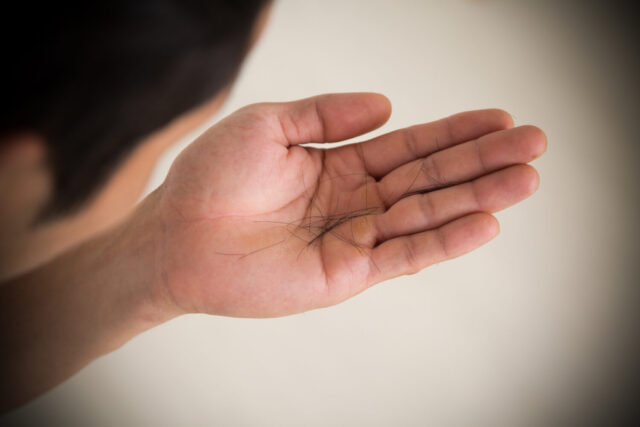
Hair transplantation is a relatively safe procedure, but like any medical treatment, it carries certain risks and potential side effects. Properly understanding and preparing for these allows you to undergo treatment safely and achieve satisfactory results. The first step toward safe hair transplant treatment is approaching it with the right knowledge under the care of a trusted physician.
Risk of infection
Infection after hair transplant surgery is relatively rare, but requires treatment if it occurs. The reported risk of infection is less than approximately 1%, making prevention and early detection crucial.
Signs of infection include persistent redness, worsening swelling, a sensation of heat, pus formation, and a fever of 38°C (100.4°F) or higher. If these symptoms appear, it is necessary to consult a doctor immediately.
To prevent infection, many clinics administer antibiotics post-surgery. Patients themselves must also maintain a clean environment and follow the physician’s instructions for proper hair washing. Particular care is needed to keep the transplant site and donor area clean, especially during the first few days after surgery.
Swelling
Swelling of the scalp is a common reaction after hair transplantation and occurs to varying degrees in most patients. It typically peaks on the 2nd or 3rd day after surgery and gradually improves thereafter.
The swelling may extend to the forehead and sometimes even reach the area around the eyes.
The characteristics of swelling differ slightly between the FUT and FUE methods. With FUT, swelling typically centers around the incision site at the back of the head. With FUE, mild swelling often occurs across the entire donor area where follicles were extracted.
The degree of swelling varies from person to person, and reactions can differ even with the same surgical method.
Pain
Postoperative pain also varies from person to person, ranging from those who feel no pain at all to those who experience moderate discomfort for several days. Generally, the FUT method tends to cause more postoperative pain than the FUE method.
This is because the FUT method involves removing a strip of scalp tissue, and healing at the incision site takes longer.
Pain typically subsides gradually over the first few days after surgery. With appropriate use of pain medication, it is usually well-managed. If persistent, severe pain occurs, it is important to consult your doctor as it could indicate a complication.
Scar formation
The FUT method leaves a linear scar on the back of the head, but proper suturing techniques make it less noticeable. The FUE method leaves numerous small, pinpoint scars, but these typically become less visible as the hair grows out slightly.
How to minimize the risks
To minimize the risks of hair transplant surgery, the following points are important.
- Choosing an experienced physician
- Preoperative health management
- Follow the post-operative instructions
- Regular follow-up
Hair transplantation is generally a safe procedure, but risks cannot be completely eliminated. The key is to understand these risks accurately and choose the right doctor and facility. Making an informed decision based on sufficient information will lead to safer and more satisfying results.
Why should you Choose an Experienced Clinic for Hair Transplantation?
Hair transplant surgery differs from hair growth treatments in that it requires surgery and is performed at specialized medical institutions.
Both artificial hair transplants and autologous hair transplants have their respective advantages and disadvantages, so carefully consider your specific hair loss situation and budget.
Hair from the back of the head and hair from the hairline differ significantly in thickness and coarseness.
Therefore, even with autologous hair transplantation, if thick hair transplanted from the back of the head suddenly appears at the hairline, it can create an unnatural-looking hairline.
To achieve a natural-looking hairline with hair transplant surgery, only fine transplant hairs must be placed at the hairline.
This requires both the skill of a doctor who can plan the overall composition and the patience of the patient.
Conclusion
Hair transplantation is a medical technology that offers value beyond mere cosmetic improvement. For those suffering from progressive hair loss conditions like Male pattern baldness (AGA), hair transplantation provides a natural and semi-permanent solution.
Regardless of the method chosen, thorough consultation with a trusted physician is key to success. If you struggle with thinning hair, gaining the right knowledge and finding the treatment that suits you can help you start a new life filled with confidence.
Why not start your hair transplant journey with a free consultation at Osaka AGA Kato Clinic, where you can consult with specialists boasting years of proven results? We support you in making a choice you won’t regret with personalized advice based on the latest hair transplant techniques and extensive experience.
Frequently Asked Questions
- What is hair transplantation?
Hair transplantation involves transplanting hair from the back or sides of the head to areas experiencing thinning. Since it uses your own hair, it is less likely to cause inflammation at the transplant site and provides long-term results.
For more details, see “What is Hair Transplantation? A Comprehensive Guide : Types, Pros, Cons, and Costs”.
- How painful is hair transplant surgery?
Hair transplant surgery is performed under local anesthesia, so you will feel almost no pain during the procedure. You may experience only temporary discomfort when the anesthetic is injected.
Postoperative pain varies from person to person. With the FUT method, you may experience pain and tightness at the donor site due to suturing for several days. On the other hand, the FUE method is relatively less painful, and any discomfort can be adequately managed with pain medication.
- How long does hair last after a hair transplant?
The lifespan of hair from a hair transplant is essentially no different from that of normal hair. If the transplant takes successfully, it can remain healthy even after 10 years. Over time, the transplanted hair develops its own capillary network. Once these capillaries form, blood can flow to the hair follicles, allowing them to receive nutrients.
For more details, see
The lifespan of hair from a hair transplant is essentially no different from that of normal hair. If the transplant takes successfully, it can remain healthy even after 10 years. Over time, the transplanted hair develops its own capillary network. Once these capillaries form, blood can flow to the hair follicles, allowing them to receive nutrients.
For more details, see “What is Hair Transplantation? A Comprehensive Guide : Types, Pros, Cons, and Costs”.