
Balding in Your 20s? How to Tell Early Hair Thinning From Male Pattern Baldness (AGA) — Causes, Symptoms, and the Most Effective Treatments Explained by a Specialist

Key Points
- ① Hair loss in young adults “early balding” may involve factors beyond AGA.
Increased hair loss in one's 20s could stem not only from AGA but also from stress-related hair loss or symptoms linked to environmental and lifestyle factors. This section outlines the characteristics of each and explains the importance of accurate diagnosis. - ② Early diagnosis and medical intervention increase the potential to slow and improve AGA progression. Consulting a specialist upon noticing AGA-specific patterns, such as an M-shaped receding hairline or thinning at the crown, is considered key to initiating effective treatment.
- ③ Effective hair loss prevention and treatment is possible through a combination of lifestyle improvements and physician-supervised countermeasures.
Alongside reviewing nutritional balance (such as soy products and green and yellow vegetables) and implementing sleep and stress management strategies, we specifically introduce options like Male pattern boldness (AGA) treatment medications and utilizing specialized clinics.
Are you in your 20s but feel anxious every time you look in the mirror, wondering, “Is my hair thinning?”
Waking up to find hair on your pillow or being shocked by the amount of hair clogging the drain during shampooing—these experiences are a common concern for more young people than you might think.
Male pattern boldness (AGA) is progressive, and the longer it is left untreated, the more difficult it becomes to treat. Especially in one’s 20s, when hair follicle cells are still highly active, this is the period when treatments like finasteride and minoxidil are most effective.
This article provides a comprehensive explanation by a hair loss specialist, covering the causes of thinning hair in your 20s, how to distinguish between Male pattern boldness (AGA) and temporary hair shedding, scientifically proven treatment methods, and care techniques you can do at home. Understand that early treatment significantly impacts your future hair health, and take action now with the information provided.
- Understanding the Difference Between Early-Onset Baldness in Your 20s and Male pattern boldness (AGA)
- What are the symptoms of early-onset baldness (early-onset alopecia)?
- How to distinguish it from stress-related hair loss
- The difference between male pattern boldness (AGA) and temporary hair loss
- Characteristics of premature balding in women
- What Causes Early Balding in Your 20s?
- Hormonal imbalance
- Unbalanced diet
- Lack of sleep
- Lack of exercise
- Stress
- Incorrect hair care
- Genetics
- Effective Hair Loss Treatments You Can Start in Your 20s
- Finasteride and dutasteride: effects and side effects
- Usage instructions and precautions for topical minoxidil
- Key points for continuing treatment safely
- Dietary Measures for Preventing Premature Balding
- Essential sleep habits for preventing premature balding
- Stress relief is also important
- What are the Benefits of starting Hair Loss Treatment in your 20s?
- What are the benefits of starting treatment in your 20s?
- What happens if left unattended? Differences in progression speed
- Get Treatment for Early Balding at a Male pattern boldness (AGA) Specialist Clinic!
- Conclusion
Understanding the Difference Between Early-Onset Baldness in Your 20s and Male pattern boldness (AGA)

There are various reasons why hair thins in one’s 20s, but it’s crucial to correctly distinguish between Male pattern boldness (AGA) and temporary hair loss.
What are the symptoms of early-onset baldness (early-onset alopecia)?
Male pattern baldness often progresses from the sides of the forehead (the M-shaped area) or from the center of the forehead. The following symptoms are typical:
- Hair loss progresses from the hairline on both sides of the forehead (M-shaped baldness)
- Hair loss progresses from the hairline at the center of the forehead (U-shaped baldness)
- Hair loss progresses from the crown of the head (O-shaped baldness)
- Overall hair volume diminishes
- Increased hair loss
- Increase in fine hair and short hair
According to a survey on hair loss among a certain age group, male pattern baldness in young men appears to progress from the hairline on both sides of the forehead (referred to as the “M-shaped hairline”) in over 50% of cases.
How to distinguish it from stress-related hair loss
Stress-induced hair loss occurs when intense stress, overwork, or lack of sleep disrupts the normal hair growth cycle.
The most significant characteristic of stress-induced hair loss is the uniform increase in hair shedding across the entire scalp. Unlike Male pattern boldness (AGA), where thinning occurs only in specific areas (such as the M-shaped area or crown), it spreads diffusely.
The state of the shed hair also differs. In stress-induced hair loss, hair often sheds with a small white membrane (the hair follicle) attached to the root. This indicates that healthy hair, which should have continued growing, abruptly entered the resting phase due to stress.
Furthermore, the timing of onset is a key difference. Stress-related hair loss typically begins suddenly about 2 to 3 months after experiencing significant stress and often improves naturally within 3 to 6 months.
In contrast, Male pattern boldness (AGA) progresses gradually and does not improve without treatment.
The difference between male pattern boldness (AGA) and temporary hair loss
Male pattern boldness (AGA) occurs when testosterone is converted into the more potent dihydrotestosterone (DHT) by the enzyme 5α-reductase, which then acts on the hair follicles. This condition has a strong genetic component and, once it begins, will continue to progress unless treated.
On the other hand, temporary hair loss can stem from various causes. Examples include shedding during seasonal transitions (“molting periods”), hair loss due to nutritional deficiencies, and hair loss caused by scalp inflammation or dandruff. Many of these cases can be improved by adjusting lifestyle habits.
Key points for distinguishing Male pattern boldness (AGA) from temporary hair loss include the pattern and duration of hair loss. Male pattern boldness (AGA) typically presents as either a receding hairline forming an M-shape from the forehead or thinning starting from the crown.
Additionally, if hair loss persists for over three months and shows a gradual worsening trend, it is highly likely to be Male pattern boldness (AGA).
If you are unsure, a scalp examination and hair analysis by a specialist is the most reliable approach.
Characteristics of premature balding in women
Recently, we’ve seen an increase in consultations from women experiencing premature hair loss. For women in their teens to thirties, premature hair loss typically involves maintaining sufficient hair density and total hair count, yet each individual strand becomes thinner and finer, resulting in a loss of overall hair volume.
Premature hair loss in women often progresses from the crown area.
What Causes Early Balding in Your 20s?
The main causes of early balding are as follows;
- Hormonal imbalance
- Unbalanced diet
- Lack of sleep
- Lack of exercise
- Stress
- Incorrect hair care
- Genetics
We will explain each point.
Hormonal imbalance
Early-onset hair loss in women is primarily attributed to hormonal imbalances caused by factors such as age, pregnancy, and childbirth. Furthermore, the causes of hormonal imbalance, affecting both men and women, are as follows;
- Fever, infectious diseases, rheumatism
- Metabolic disorders such as thyroid disease
- Anemia
- Pregnancy and lactation
- Alcoholism
- Taking medication
- Genetics
Male hormones cause Male pattern boldness (AGA)
Most cases of early-onset baldness are caused by Male pattern boldness (AGA), which is triggered by an increase in the harmful male hormone dihydrotestosterone.
Testosterone, a male hormone, combines with an enzyme called 5α-reductase type II found in the scalp and transforms into dihydrotestosterone, a hormone that causes hair loss.
However, since everyone has testosterone, it does not necessarily mean hair loss will occur.
Unbalanced diet
 Fast food is high in salt and calories. However, many young people have developed the habit of eating inexpensive, convenient fast food. This leads to an unbalanced diet that promotes an increase in dihydrotestosterone (DHT), the harmful male hormone linked to Male pattern baldness (AGA). Skipping meals during extreme dieting also often triggers premature balding.
Lack of sleep
One cause of early balding is considered to be lack of sleep. Among younger generations, regardless of gender, many stay up late playing games or using smartphones, leading to insufficient sleep.
Growth hormones that promote hair growth are secreted at night while you sleep. Therefore, if sleep deprivation continues, growth hormones are not secreted normally, and as a result, hair growth is not stimulated.
Lack of exercise
Lack of exercise is becoming a social issue not only among adults but also among younger generations.
As the aging population and declining birthrate progress, more children are growing up without siblings. This has led to fewer playmates outdoors, resulting in more children playing indoors with video games and similar activities.
Stress
Stress is also considered a major factor in early balding. Many young people experience health issues due to stress stemming from relationships and work.
Even teenagers often suffer from stress caused by exam preparation or family relationships, leading to increased hair loss. It seems stress is no longer just an adult problem.
Incorrect hair care
Hair care products unsuitable for one’s constitution or thinning hair symptoms can also cause premature balding. Generally, over-the-counter hair growth products are not intended for use by minors.
Research indicates that both men and women in younger generations are increasingly conscious about beauty.
However, persistently using hair care products unsuitable for one’s constitution can worsen scalp conditions and potentially lead to premature balding.
Genetics
Male pattern boldness (AGA), which causes early balding, is hereditary. The following characteristics that influence Male pattern boldness (AGA) are said to be inherited.
- High activity of 5α-reductase
- Sensitivity of the androgen receptor to dihydrotestosterone
Genes inherited from the mother are believed to have a stronger influence, so if there is a history of thinning hair on the maternal side, it is highly likely that the genes for thinning hair have been passed down. However, just because your maternal grandparents had thin hair does not necessarily mean you will experience premature balding. It simply means you are more susceptible to Male pattern baldness (AGA) than others.
This article explains the genetic factors causing early baldness and thinning hair, along with prevention and improvement methods.
Effective Hair Loss Treatments You Can Start in Your 20s
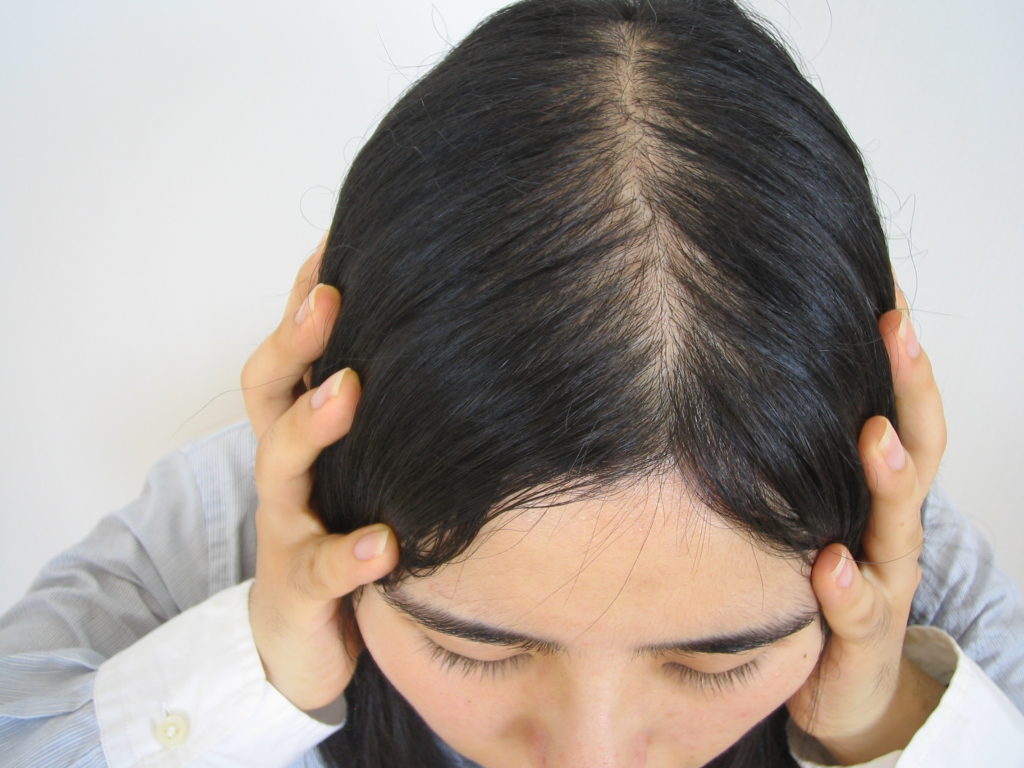
Your 20s are a time when hair follicle activity remains high, making it a period where significant results can be expected with appropriate treatment. If you suspect hair thinning due to Male pattern boldness (AGA), choosing a scientifically proven treatment method is crucial.
Finasteride and dutasteride: effects and side effects
Finasteride and dutasteride are the primary oral medications used in the treatment of Male pattern boldness (AGA). They inhibit the activity of an enzyme called 5α-reductase, thereby suppressing the conversion of testosterone into dihydrotestosterone (DHT).
DHT is a substance that acts on hair follicles to shorten the hair growth phase, and reducing it can suppress the progression of Male pattern boldness (AGA).
Dutasteride has a stronger 5α-reductase inhibitory effect than finasteride, but this also slightly increases the risk of side effects. A common stepwise approach is to start treatment with finasteride and switch to dutasteride if the effect is insufficient.
In actual prescriptions, we comprehensively assess the patient’s condition, lifestyle, concerns about side effects, and other factors to select the most appropriate medication. Both drugs require a prescription, and self-medication is dangerous. Please always consult a specialist physician.
Before and After Hair Loss Treatment for a Man in His 20s at Osaka AGA Kato Clinic
Usage instructions and precautions for topical minoxidil
Minoxidil is a key treatment for AGA, alongside oral medications. This topical solution is applied directly to the scalp, where it dilates blood vessels to improve scalp blood flow, making it easier for nutrients to reach hair matrix cells. It has also been confirmed to directly activate hair matrix cells. While effectiveness varies by individual, noticeable results are often seen after approximately 4 months of continuous use.
While highly effective, minoxidil has the characteristic that discontinuing use typically results in a return to the original condition within about 6 months to a year. Therefore, continued use is necessary to maintain the effect. Establishing a long-term usage plan is crucial.
Key points for continuing treatment safely
Hair loss treatment is not something that can be completed in a short period of time; it requires continued treatment over a certain period. Here are some key points for continuing treatment safely and effectively.
First, regular visits to the doctor and follow-up monitoring are crucial. Since Male pattern boldness (AGA) medications are drugs that can affect the body, regular check-ups by a physician are essential.
Next, understanding how to detect side effects early and manage them is important. If you notice any concerning symptoms during treatment, do not stop taking the medication on your own. Consult your doctor first.
Finally, managing treatment costs is also a crucial point. Male pattern boldness (AGA) treatment is not covered by insurance, so the full cost is borne by the patient. It is important to establish a long-term treatment plan and discuss sustainable cost arrangements with your doctor. In recent years, the availability of generic medications has made treatment costs more manageable than before.
Dietary Measures for Preventing Premature Balding
An unbalanced diet is a cause of premature balding. The following foods are particularly effective for preventing premature balding:
- Soy products
- Dairy products
- Seaweed
- Chicken
- Green and yellow vegetables
Essential sleep habits for preventing premature balding

To prevent premature balding, ensure you get at least 6 hours of sleep, ideally 8 hours. Continued sleep deprivation increases the risk of premature balding.
Get as much sleep as possible and focus on improving its quality.
- Before bed, dim the lights and spend time quietly in your room
- Finish eating and drinking at least three hours before bedtime
- Take a bath two hours before bedtime
It’s important not to stimulate your nerves before bedtime. When you’re young, get enough sleep without staying up late.
Stress relief is also important
 To improve sleep quality, relieving stress is also effective. While using games or smartphones to relieve stress is fine, it often leads to insufficient physical activity.
What are the Benefits of starting Hair Loss Treatment in your 20s?
Starting hair loss treatment in your 20s offers numerous benefits. We explain the importance of taking early action and the risks of leaving it untreated.
What are the benefits of starting treatment in your 20s?
The greatest benefit of starting hair loss treatment in your 20s is the high potential for effective results. Younger age correlates with higher activity levels in hair matrix cells and better responsiveness to treatment. Beginning treatment while hair follicles are still relatively healthy maximizes the potential for hair regrowth and thickening effects.
Early treatment also reduces psychological burden. Waiting until hair loss has progressed often means visible improvement takes longer, leading to significant mental stress during that period.
Financially, early treatment also offers advantages. In the initial stages, relatively mild treatments often yield results, potentially keeping costs lower compared to treatment after the condition has progressed.
What happens if left unattended? Differences in progression speed
What happens if you leave thinning hair untreated? The rate of Male pattern boldness (AGA) progression varies from person to person, but if symptoms appear in your 20s, you are likely to have a faster-progressing type.
Additionally, neglecting the condition causes changes in hair quality. In the early stages, thick, healthy hair coexists with thin, weakened hair. Over time, however, the thick hair diminishes, leaving only fine, downy hair.
Furthermore, as thinning progresses, even when treatment begins, it may take longer to see results, and complete recovery can become difficult. Particularly in areas where the hair follicles have completely atrophied, recovery through standard medication is unlikely.
In such cases, surgical treatments like hair transplantation may be necessary, but these come with high costs.
Get Treatment for Early Balding at a Male pattern boldness (AGA) Specialist Clinic!

We’ve introduced prevention and countermeasures for early-onset baldness, but if the cause is Male pattern boldness (AGA), treatment at a specialized AGA hair loss clinic is necessary.
The differences between general dermatology/aesthetic dermatology clinics that advertise ‘Male pattern boldness (AGA) treatment available’ and specialized AGA clinics, along with how to choose based on your symptoms, are explained in detail in the following article.
Conclusion
Addressing hair thinning concerns in your 20s requires early intervention rather than neglect. As outlined in this article, the first step is to understand how to distinguish between premature balding and AGA, enabling you to accurately assess your own condition.
The youthfulness of one’s twenties offers a significant advantage, as hair follicle cells are highly active, making treatment more effective.
Don’t assume “I’m still young, so it’s fine.” We recommend visiting Osaka AGA Kato Clinic, a trusted AGA clinic, early on to receive advice from a specialist.
Frequently Asked Questions
- I'm in my early twenties, but I've noticed increased hair loss recently. Could this be Male pattern boldness (AGA)?
Increased hair loss in your 20s may be due to stress-related hair loss, not just Male pattern boldness (AGA). The characteristics of Male pattern boldness (AGA) are as follows.
- Receding hairline in an M-shape or thinning hair on the crown of the head
- Hair loss often occurs without the white membrane (hair follicle) attached to the root portion.
- Progresses gradually and does not improve naturally even if left untreated
On the other hand, stress-related hair loss typically causes hair to fall out evenly across the entire scalp. It often begins suddenly and improves naturally within a few months. For a definitive diagnosis, we recommend specialized testing at an Male pattern boldness (AGA) clinic or dermatology department. Early diagnosis leads to effective treatment.
- What foods are effective for preventing early balding?
The following foods are primarily effective for preventing premature balding:
- Soy products
- Dairy products
- Seaweed
- Chicken
- Green and yellow vegetables
The ingredients listed above contain many nutrients essential for healthy hair.