
Is Hair Growth at the Hairline a Sign of Male Pattern Baldness (AGA)? Early Signs, Treatments, and Home Care Explained by a Doctor.
Thinning or receding hairline is one of the most serious concerns for men in their 30s to 50s. Many face thinning hairline symptoms as a sign of Male pattern boldness (AGA) and need appropriate remedies.
However, changes in the hairline are not necessarily caused by Male pattern boldness (AGA) alone; lifestyle, stress, and nutritional deficiencies can also have an impact.
In this article, an Male pattern boldness (AGA) doctor explains in detail the unique signs and progression of AGA on the hairline, effective treatments, scalp care that can be done at home, as well as causes of receding hairline other than Male pattern boldness (AGA).
By reading this article, readers will gain a better understanding of Male pattern boldness (AGA) and its countermeasures, and will be able to find preventive measures and countermeasures in their daily lives.
At Osaka Male pattern boldness (AGA) Kato Clinic, many of our patients experience hair regrowth results in approximately 3 to 6 months. Take the first step toward hair regrowth by participating in a free consultation based on Osaka Male pattern boldness (AGA) Kato Clinic’s extensive experience and achievements. Reservations on Line can be easily made here.
- What are the specific signs of Male pattern boldness (AGA) on the hairline?
- The process of Male boldness (AGA) progressing at the hairline and how to recognize it
- Is Male pattern boldness (AGA) that starts at the hairline easily cured?
- Effective Male pattern boldness (AGA) treatment and effectiveness in approaching the hairline
- Male pattern boldness (AGA) treatments starting at the hairline
- Topical treatments used to treat Male pattern boldness (AGA) at the hairline
- How do you choose your treatment?
- Male pattern boldness (AGA) prevention and control with Home hairline scalp care
- Scalp massage method for hairline
- How to wash your hair to protect your hairline
- Protect the growing scalp with post-wash care
- What causes hairline recession other than Male pattern boldness (AGA)?
- Stress and nutritional deficiencies
- Hormonal imbalance
- Genetic factors
- Inflammatory skin disease
- Hair damage due to physical stress
- Natural hair changes with aging
- Conclusion
What are the specific signs of Male pattern boldness (AGA) on the hairline?
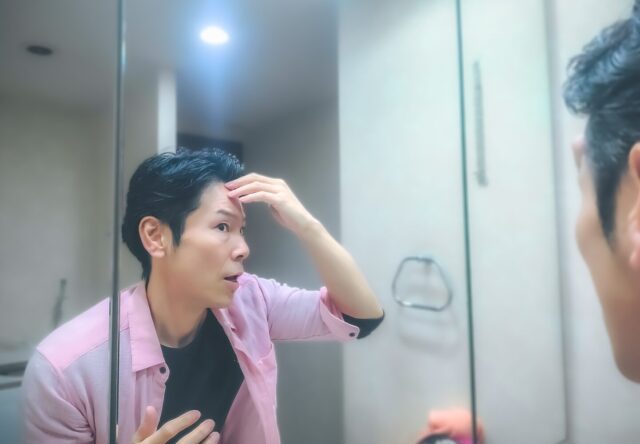
Thinning or receding hair at the hairline is the most common early sign of AGA, and early detection is critical Male pattern boldness (AGA) is a problem many middle-aged men face.
Male pattern boldness (AGA) is characterized by a senescence of the hairline and a change in the quality of the hair. Often there is an increase in the number of thin, short, laying hairs.
These can be due to hormonal imbalances in the scalp or genetic factors, which can cause a receding hairline. Hairline thinning can also be exacerbated by lifestyle factors such as stress and poor nutrition.
The process of Male boldness (AGA) progressing at the hairline and how to recognize it
The process of progression of Male pattern boldness (AGA) at the hairline varies from person to person, but the typical pattern is that the hairline recedes into an M-shape.
During this stage, the hair thins and the scalp becomes more visible; regular self-checks are important to understand the progression of Male pattern boldness (AGA) and to deal with it appropriately.
In particular, it is advisable to pay attention to changes in hair thickness and density, and to consult a doctor as soon as possible if abnormalities are observed.
Is Male pattern boldness (AGA) that starts at the hairline easily cured?
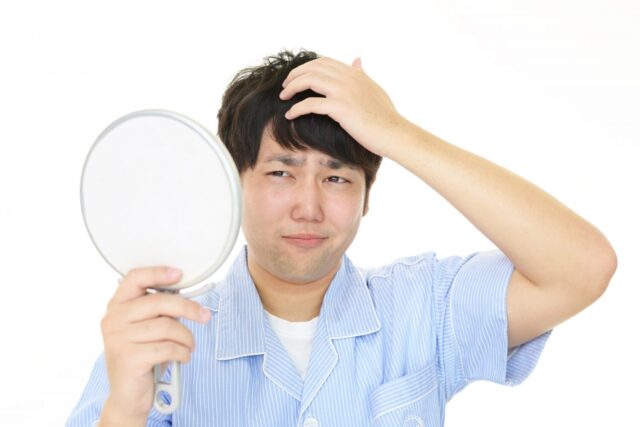
Early detection and treatment of Male pattern boldness (AGA) is the key to slowing the progression of the condition. Thinning hair at the hairline and hair growth changes are easier to notice earlier than thinning hair on the crown of the head and provide an opportunity to begin treatment early.
Male pattern boldness (AGA) is caused by hormonal disruption of the hair growth cycle.
Specifically, the hormone DHT interferes with hair growth and causes senescence changes at the hairline.
Practicing a healthy lifestyle, managing stress, and proper nutrition are fundamental. Male pattern boldness (AGA) can also be effectively treated with medications such as minoxidil and finasteride. These medications help balance hormones and stimulate hair growth.
If you notice early hair production changes, it is recommended that you consult a doctor as soon as possible. It is important that the use of medications be done under the supervision of a doctor.
Effective Male pattern boldness (AGA) treatment and effectiveness in approaching the hairline
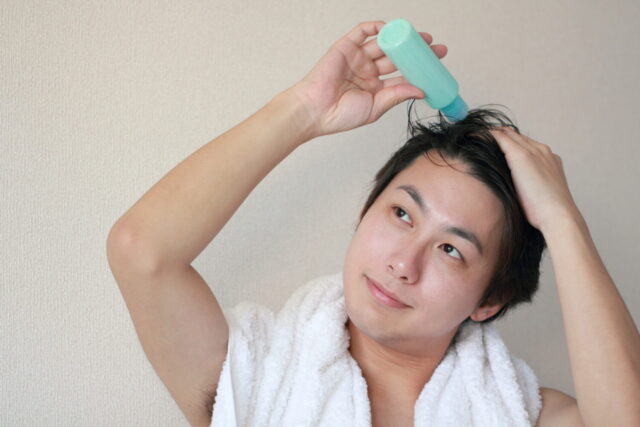
Male pattern boldness (AGA) treatment can be done in a variety of ways, but this section specifically describes the content and effectiveness of treatments that are particularly effective for hairline problems.
Male pattern boldness (AGA) treatments starting at the hairline
Minoxidil and finasteride are well-known treatments for Male pattern boldness (AGA), which begins at the hairline.
Minoxidil
Minoxidil is applied directly to the hairline in liquid or foam form to stimulate hair growth. It works by dilating blood vessels and increasing blood flow to hair follicles, thereby helping hair grow thicker and longer.
It may take several months to see results, but continued use can be expected to improve thinning hair at the hairline.
Finasteride
Taken in pill form, finasteride inhibits the body’s production of DHT, a hormone that interferes with hair growth; the reduction of DHT stimulates hair growth and is particularly effective in thinning hair at the hairline.
Finasteride is recommended for long-term use and may take time to feel its effects.
Minoxidil and Propecia (Finasteride)
Topical treatments used to treat Male pattern boldness (AGA) at the hairline
The laser treatment method uses a special laser device to deliver low-level laser light to the scalp. This light stimulates hair matrix cells and promotes hair growth.
Laser treatment is performed in the clinic and the appropriate duration and frequency of exposure is determined under the supervision of a doctor.
How do you choose your treatment?
Choosing Male pattern boldness (AGA) treatment in the clinic requires a personalized approach tailored to each patient’s unique condition. Prior to selecting a treatment, the doctor will conduct a detailed examination of the patient’s hair condition, scalp health, and receding hairline.
The patient’s age, general health, genetic factors, and lifestyle will also be detailed.
Then, based on the degree and cause of the patient’s hair loss, the most appropriate treatment is suggested. For example, topical medications that act locally may be recommended for progressive thinning of the hairline, while oral medications may be recommended for overall thinning of the hair.
Male pattern boldness (AGA) prevention and control with Home hairline scalp care
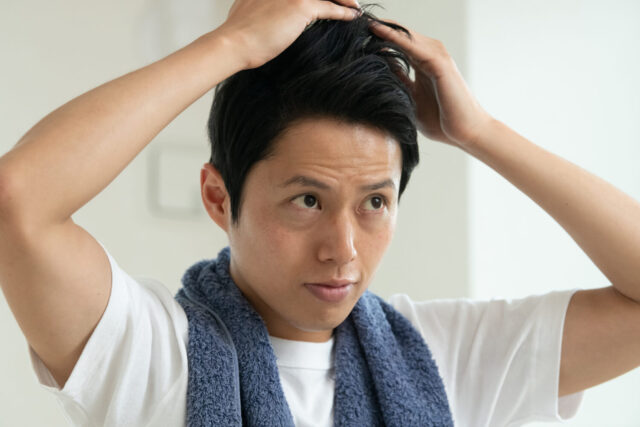
Daily care is very important in preventing and fighting Male pattern boldness (AGA). This section describes scalp massage and hair washing methods and scalp care that can be easily performed at home.
Scalp massage method for hairline
The following are effective scalp massage methods to prevent thinning hair at the hairline.
Hairline massage:
- Begin the massage
Using the tips of clean fingers, apply light pressure to the hairline.
Use moderate pressure and be careful not to damage the scalp. - Drawing circles
Massage the hairline with your fingertips in small circles.
Move slowly from the center to the sides of the forehead to promote blood circulation. - Change of direction
After making a circular motion in one direction, do the same in the opposite direction.
At this point, it is important to massage evenly over the entire area of the hairline. - Tightening When finishing the massage, lightly tap the hairline with fingertips to relax it.
After massaging the hairline, a scalp massage of the entire scalp is more effective.
Overall scalp massage:
- Whole head massage
Beginning at the top of the head, proceed to the sides and then to the back of the head. - Adjusting the pressure
Apply light pressure to the scalp, massaging in small circles with the belly of the finger.
Use gentle pressure and be careful not to damage the scalp. - Change of direction
After massaging in one direction, perform the same action in the opposite direction.
It is important to massage evenly over the entire scalp. - Relaxation
After completing the massage, lightly tap the scalp with fingertips to stimulate circulation and relax.
How to wash your hair to protect your hairline
Proper hair washing and selection of care products are important to protect the health of the hairline. First, it is important to choose a scalp-friendly shampoo for hair washing. Sulfate-free and paraben-free products are recommended.
The following are key points on how to properly wash hair to maintain a healthy scalp environment;
- Lather the shampoo thoroughly before use.
- Massage the scalp with fingers gently.
- Wash off dirt and sebum carefully, especially at the hairline.
- Rinse thoroughly.
As for conditioner, it should be used from the middle of the hair to the ends, and care should be taken not to apply it directly to the scalp. This prevents the scalp from becoming clogged with conditioner ingredients.
Protect the growing scalp with post-wash care
After washing the hair, a special scalp care tonic can be utilized to provide the necessary moisturizing and nourishment to the scalp. These products are effective in maintaining scalp health and preventing thinning of the hairline.
When using a hair dryer, it is also important to ensure that the hot air does not directly hit the scalp. By maintaining an appropriate distance and avoiding over-drying the scalp, the health of the scalp can be protected.
Thus, through daily hair washing and care, it is possible to maintain the health of the hairline and contribute to the prevention of Male pattern boldness (AGA).
What causes hairline recession other than Male pattern boldness (AGA)?
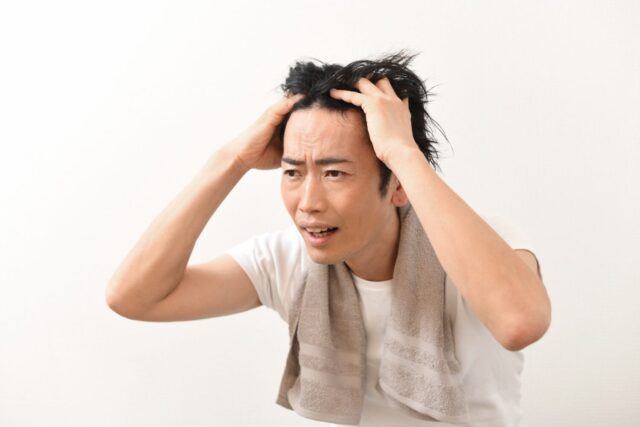
Male pattern boldness (AGA) is not the only cause of a receding hairline. Many other factors can affect the receding hairline. Below is an explanation of the effects on the hairline.
Stress and nutritional deficiencies
Stress and nutritional deficiencies are the primary lifestyle factors affecting hairline recession. Chronic stress can disrupt the body’s hormonal balance and lead to inadequate supply of nutrients necessary for hair growth.
Nutritional deficiencies can also impair hair health, especially when there is a lack of vitamins and minerals necessary for hair growth, which can weaken the hair and cause a receding hairline.
A well-balanced diet and stress management are important for maintaining a healthy hairline.
Hormonal imbalance
Hormonal imbalance is another cause of receding hairline. In particular, imbalances in thyroid and sex hormones can affect the hair growth cycle.
For example, hypothyroidism and polycystic ovary syndrome (PCOS) are known to affect hair health. If a hormonal imbalance is suspected, consultation with an appropriate health care provider is necessary.
Genetic factors
Genetic factors are also involved in hairline recession. If there is a high incidence of thinning hair or a receding hairline in your family, a genetic component may be at play.
Genetic thinning of hair may follow a different pattern than Male pattern boldness (AGA) and may progress gradually from a young age. For receding hairline due to genetic factors, lifestyle modifications and medical intervention can be expected to slow the progression of symptoms.
Inflammatory skin disease
Inflammatory skin diseases can contribute to a receding hairline and thinning hair. Symptoms often include redness, itching, and dandruff, which directly affect the health of the scalp.
For example, conditions such as psoriasis and seborrheic dermatitis can cause chronic inflammation of the scalp and adversely affect hair growth. Proper treatment can help manage these conditions and maintain a healthy hairline.
Hair damage due to physical stress
Hair damage due to physical stress, such as the following, is another factor contributing to receding hairline;
- Tight hairstyles
- Frequent hair coloring and perms
- Strong brushing
These actions can place undue stress on the roots of the hair, resulting in weakened hair at the hairline and easy hair loss. It is important to treat hair gently and avoid excessive styling.
Natural hair changes with aging
Natural hair changes with age also affect the receding hairline. As we age, hair shows changes in its thickness, density, and texture.
As the hair growth cycle shortens, hair tends to thin and grow at a slower rate. This is a natural biological process and cannot be completely prevented. Nevertheless, its effects can be mitigated by a nutritious diet, proper hair care, and a healthy lifestyle.
Conclusion
In this article, we have explained in detail about hairline senescence as an early sign of Male pattern boldness (AGA), effective treatment methods, scalp care at home, and causes of hairline recession other than Male pattern boldness (AGA). The book is based on scientific evidence.
Early recognition of Male pattern boldness (AGA), consultation at an appropriate clinic, reviewing scalp care in daily life, and practicing stress management and a nutritionally balanced diet are essential to protect the health of the hairline. We hope that this article will help readers deepen their understanding of Male pattern boldness (AGA) symptoms and countermeasures, and find measures that can be implemented in their daily lives.
At the Osaka Male pattern boldness (AGA) Kato Clinic, we will propose the best treatment for your individual condition, based on our experience in treating more than 300 patients per month. Why don’t you come to Osaka Male pattern boldness (AGA) Kato Clinic for a free consultation to receive professional advice on hair loss treatment? Reservations can be easily made on line.
Frequently Asked Questions
- Is hair growth at the hairline an early sign of Male pattern boldness (AGA)?
Hair growth at the hairline as an early sign of Male pattern boldness (AGA) is a phenomenon in which hair that is finer and shorter than normal hair becomes more noticeable. In particular, recession of the hairline may be observed and the texture of the hair may change.
- What are some of the lifestyle factors that influence hairline recession?
Lifestyle factors that can influence a receding hairline include chronic stress and nutritional deficiencies. These can negatively impact scalp health and impede hair growth.