
How Long Does Postpartum Hair Loss Last? Causes, Treatments, Shampoos, and Hair Growth Products
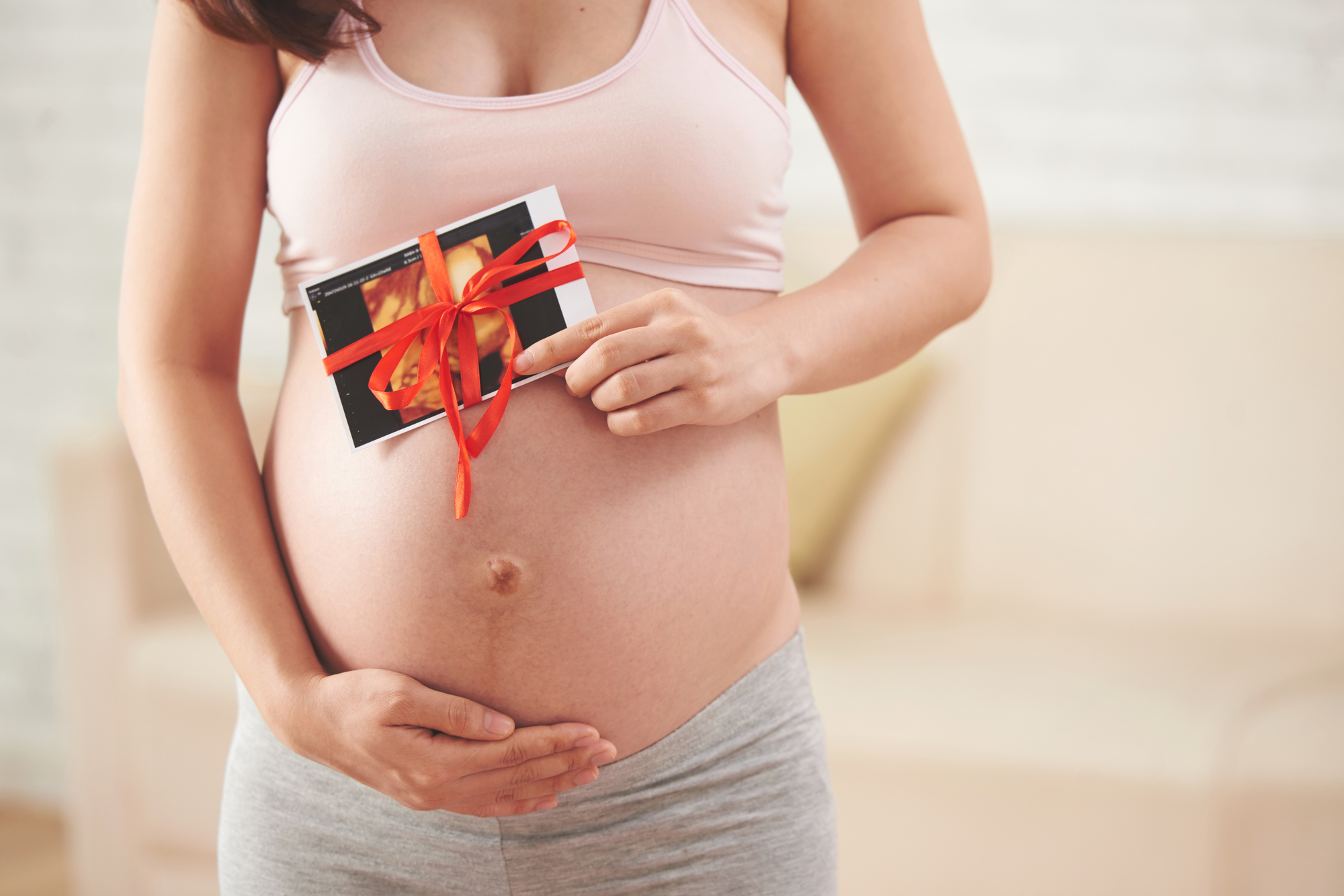
After giving birth to a cute baby, many moms are probably surprised to find a lot of hair clogging the drain after shampooing, right?
You’ve probably wondered anxiously, “How long will this last?”
Hair loss after childbirth is a legitimate medical condition known as postpartum alopecia or postnatal alopecia.
It’s said that about 70% of women who have given birth experience postpartum hair loss.
However, most recover naturally within about 6 months to a year after childbirth.
Even so, there are treatments available to help it heal faster, and ways to make the waiting period more comfortable.
Here, we’ll introduce the causes and care methods for this postpartum hair loss.
- What causes Postpartum Hair loss?
- Changes in hormonal balance
- Changes in daily life
- Three Factors That Prolong Postpartum Hair Loss
- Parenting stress
- Lack of sleep
- Extreme dieting
- 8 Key Strategies for Improving Postpartum Hair Loss
- Diet is important
- Use of hair growth products for women
- Create situations where you can manage stress
- Use everything you can—family, relatives, friends, government services!
- Shampoo care makes a big difference
- Do not engage in excessive or drastic dieting
- Cover it up with a hairstyle
- Cover with a hat
- Summary: Postpartum hair loss occurs in 70% of cases, so try to relax.
What causes Postpartum Hair loss?
The main causes of what is known as “postpartum hair loss” or “postnatal hair loss” are as follows.
- Changes in hormonal balance
- Changes in daily life
Below, we will explain each point.
Changes in hormonal balance
During pregnancy, female hormones become more active, causing temporary changes in the hair growth cycle.
Around childbirth, female hormones like estrogen and progesterone increase significantly.
Estrogen (follicle hormone) is the hormone that enhances so-called feminine characteristics.
Progesterone (luteal hormone) works to stabilize the pregnancy by raising body temperature and has the effect of extending the hair growth cycle.
Hair follows a cycle of growth phase ⇒ transition phase ⇒ resting phase, growing and then falling out.
When not pregnant, these two hormones alternate dominance approximately every two weeks.
However, during pregnancy, progesterone dominates.
Increased progesterone secretion extends the growth phase, keeping hair that would normally enter the resting phase and fall out in a state where it continues to grow.
This is why many women notice their hair seems thicker during pregnancy.
After childbirth, when progesterone levels return to normal, the hair that would have shed evenly over time falls out all at once.
It often takes about six months to recover.
About six months after childbirth, as female hormone levels return to normal, recovery gradually begins.
However, the degree of recovery varies from person to person.
The body struggles to keep up with the rapidly changing hormonal state, leading to various physical effects.
This can include a more sensitive scalp or dryness, which can further increase hair loss.
Changes in daily life
For some time after childbirth, the mother’s body has not yet fully recovered, yet she is immediately thrust into childcare and a completely different lifestyle. This can be one cause of hair loss.
The anxiety, fatigue, and stress of unfamiliar childcare, combined with nutritional deficiencies from breastfeeding and sleep deprivation, may further accelerate hair loss.
Postpartum stress can compound these issues, sometimes leading to persistent hair loss that won’t stop. In rare, severe cases, it can even trigger alopecia areata, so caution is necessary.
For information on alopecia areata that can occur outside the postpartum period, please also see our feature article on this topic.
Individual differences exist, but generally speaking, after childbirth, thinning often occurs in the “bangs,” “hairline,” and “crown.”
The hairline is naturally prone to shallow hair roots, making it a difficult area for hair to grow and causing it to fall out easily.
The hairline and crown also tend to have smaller hair roots and finer hair, making them prone to shedding. This is why after childbirth, women often notice their “forehead seems wider” or “the top of my head has lost volume.”
Three Factors That Prolong Postpartum Hair Loss
Be mindful of the following factors that can cause and worsen postpartum hair loss.
- Parenting stress
- Lack of sleep
- Extreme dieting
We will explain each factor.
Parenting stress
Life after childbirth always revolves around the baby, often not going as planned, with sleep deprivation continuing due to nighttime crying. As a result, both mind and body become exhausted, and stress builds up.
The stress of childcare causes the sympathetic nervous system to dominate, concentrating blood flow to the muscles. This reduces blood supply to the internal organs, leading to poor circulation, which negatively impacts hair health.
Lack of sleep
The peak period for hair growth hormone secretion is between 10 PM and 2 AM. While this typically coincides with sleep, frequent nighttime awakenings—such as those caused by a newborn’s crying—can disrupt adequate rest. Without sufficient sleep, the production of new cells becomes difficult. This leads to hair becoming thin and brittle, ultimately promoting hair loss and thinning.
Extreme dieting
After giving birth, are you trying to get back to your former slim figure by going on an extreme diet? Rapid weight loss is the enemy of thinning hair and hair loss.
When you lose weight too quickly, the hypothalamus—the central hub that regulates autonomic functions—doesn’t receive enough nutrients, leading to decreased hormone secretion. This hinders hair growth and actually causes more hair to fall out.
8 Key Strategies for Improving Postpartum Hair Loss
In most cases, postpartum hair loss is a temporary condition. Even so, the following measures can help alleviate symptoms and reduce stress during periods of increased hair shedding.
- Diet is important
- Use of hair growth products for women
- Create situations where you can manage stress
- Use everything you can—family, relatives, friends, government services!
- Shampoo care makes a big difference
- Do not engage in excessive or drastic dieting
- Cover it up with a hairstyle
- Cover with a hat
We will explain each point.
Diet is important
After giving birth, does your child become the center of your world, leaving your own meals neglected?
To improve scalp health and promote hair growth, your diet is also important.
Aim for regular, nutritious meals.
| Essential Nutrients | Role in preventing hair loss | Ingredients that are abundant |
|---|---|---|
| Protein | Hair raw material | Eggs, soybeans, meat, fish |
| Zinc | Along with protein, it plays a significant role in hair growth | Lean beef and legumes |
| Isoflavone | Promotes hair growth and has effects similar to female hormones | Soybeans (natto, tofu, kinako, etc.) |
| Vitamin B6 | Plays a vital role in producing keratin, the primary component of hair | Tuna and bonito, among other fish |
| Folic acid | Prevents pernicious anemia and hair loss, and improves breast milk production | Natto, broccoli, liver |
If you’re unable to get sufficient nutrients from your diet, it’s acceptable to use supplements.
Neglecting your meals due to a busy schedule can actually worsen hair loss and thinning. Aim to eat balanced meals at regular times whenever possible.
Making time for enjoyable, relaxing meals is important even during childcare. Additionally, after childbirth, it’s crucial to consume more nutrients than others, especially for the nutrition needed for breastfeeding your baby.
Use of hair growth products for women
Using hair growth products designed for women is also an effective way to prevent scalp dryness, soothe the scalp, and improve blood circulation. After childbirth, hormonal changes can make the scalp prone to dryness, and a weakened barrier function may lead to various scalp issues. Additionally, breastfeeding can divert nutrients away from the scalp, potentially causing the hair matrix cells to become undernourished and weakening their ability to nourish hair growth.
However, some men’s hair growth products contain ingredients that should be avoided during pregnancy and breastfeeding. Be sure to check that the product is specifically for women and is safe to use during pregnancy and breastfeeding.
Create situations where you can manage stress
Parenting stress can be one cause of hair loss and thinning hair. Try to manage stress effectively while maintaining the emotional space to enjoy your baby’s growth.
Adjust breastfeeding times and establish a daily rhythm that avoids reversing day and night as much as possible to balance your autonomic nervous system. Even if you can’t fall asleep easily, simply closing your eyes and lying down makes a significant difference.
Postpartum hair loss and thinning are temporary. Overthinking it can actually increase hair loss due to the added stress. Hormonal balance will naturally return after a certain period, and hair loss will resolve on its own. Remember, “postpartum hair loss is completely normal and happens to everyone,” so try not to worry excessively.
Use everything you can—family, relatives, friends, government services!
Mothers are stretched thin by their babies’ nighttime crying and their own physical changes. On top of that, regular household chores are simply too much for one person to handle alone. Don’t try to do everything by yourself—childcare is a shared family responsibility. This is precisely the time to rely on your husband, in-laws, relatives, and friends. Surprisingly, many people don’t realize that local governments also offer various support programs and subsidies. If you ask, they’re often surprisingly helpful in explaining them.
Even if it’s just for a little while, have someone else watch the baby or do the cleaning. Use that time to catch a quick nap or refresh yourself. Don’t hesitate to accept help and get through this together.
Shampoo care makes a big difference
Shampoos unsuitable for your scalp can cause scalp eczema, leading to increased hair loss and slowing the growth of healthy hair. For sensitive postpartum scalps, low-irritation amino acid-based shampoos are best. When shampooing, gently massage the scalp and rinse thoroughly to avoid residue. Focus on care that “nurtures hair to be beautiful,” including careful brushing before shampooing to improve scalp blood circulation.
When can I start shampooing after giving birth?
Previously, it was commonly advised that women should rest during the postpartum period and avoid shampooing for about a month after giving birth. However, no evidence has been found to support the idea that washing hair after childbirth is harmful. Therefore, starting around the second day postpartum, washing your hair is perfectly fine for maintaining cleanliness. That said, it’s best to keep it brief to minimize physical strain.
Do not engage in excessive or drastic dieting
Excessive dieting through strict dietary restrictions can lead to a deficiency in essential nutrients. When this happens, nutrients are prioritized for vital organs like the heart and brain. As a result, hair may not receive sufficient nourishment, worsening hair loss. Avoid extreme methods like restrictive diets and instead pursue healthy weight loss through exercise and other sustainable approaches.
Cover it up with a hairstyle
If thinning hair at your bangs, crown, or hairline makes it hard to style your hair the same way as before pregnancy, why not take the plunge and try a different hairstyle? If you’re concerned about a wide forehead, creating thicker bangs is ideal. Sweeping hair forward from the top of your head to form thicker bangs can cover the thinner front section. See-through bangs involve thinning the fringe slightly to reveal a bit of the forehead, creating a hairstyle that conveys a clean, feminine, and gentle impression. This style is easy enough to achieve with a self-cut, even if you don’t have time for a salon visit.
Once hair loss stops and you start noticing short regrowth, cover it by leaving more hair around your face. Use strands from the sides of your bangs to cover the short hairs growing at your hairline from above.
When can I get a perm or hair color?
As a general guideline, it’s best to wait until after your one-month postpartum checkup when your doctor says “everything is fine.” There are four points to consider.
- Does your lower back hurt or does your episiotomy scar hurt?
If you go to the salon, you’ll be sitting in a chair for a long time, so if you have back pain or pain from an episiotomy, it’s safer to wait a little longer before going.
- Do you have enough time?
Perms and similar treatments take about 2 to 3 hours, so if your baby’s feeding intervals are still short, your breasts may become engorged or your baby might cry from hunger. Once you can manage feeding intervals of 3 hours or more, or if your baby will drink formula, you can feel more comfortable going out.
Some salons offer postpartum-friendly services, such as haircuts, coloring, or perms while breastfeeding. Others provide private rooms for parents with children, childcare facilities, or even staff who can watch your baby. Look for a salon that suits your needs.
- Is your scalp becoming sensitive?
Due to postpartum hormonal changes, the scalp becomes more sensitive, and some women may experience allergic reactions to hair treatments.
- Concerned about the effects of chemicals on breast milk?
Currently, there are no reports indicating that hair treatments affect breast milk, and the relationship between the two remains unclear. Therefore, if you have any concerns at all, it would be wise to avoid perms and hair coloring until you finish breastfeeding.
Cover with a hat
If you don’t have time to style your hair, why not try wearing a hat when you go out? It’s especially recommended for those concerned about thinning hair on the crown. Not only can the color, shape, and material drastically change your look, but it also protects your hair and scalp from UV rays. Coordinating hats with your outfits expands your fashion options, making outings more enjoyable. This mental boost can positively impact your overall health and hair condition.
Average Cost Range for Treating Postpartum
Hair Loss at a Hospital
Postpartum hair loss may improve naturally for some, but in many cases thinning worsens, making it one of the common concerns for women experiencing hair loss.
Specialized clinics for Male pattern baldness (AGA) offer relatively affordable treatment options for postpartum hair loss.
Treatment for postpartum hair loss typically involves Pantogar, a medication that helps regulate hormonal balance.
Here is an estimate of the treatment cost using Pantogar.
- Pantogar treatment: ¥5,000 (examination fee) + ¥8,000 (medication cost) = ¥13,000 (per month)
- Estimated treatment costs required for full recovery: ¥13,000 × 3 months = ¥30,000 to ¥40,000
Postpartum hair loss, like diffuse hair loss, can be treated at a lower cost if treatment begins early.
To learn the specific costs, please schedule a consultation to receive an estimate.
Summary: Postpartum hair loss occurs in 70% of cases, so try to relax.
About 70% of people experience postpartum hair loss.
It’s important to stay relaxed and avoid stress, remembering that postpartum hair loss can happen to anyone.
However, if the amount of hair loss doesn’t change even after more than a year, you should consider the possibility of diffuse alopecia.