
Topical Immunotherapy for Alopecia Areata: Benefits and Side Effects
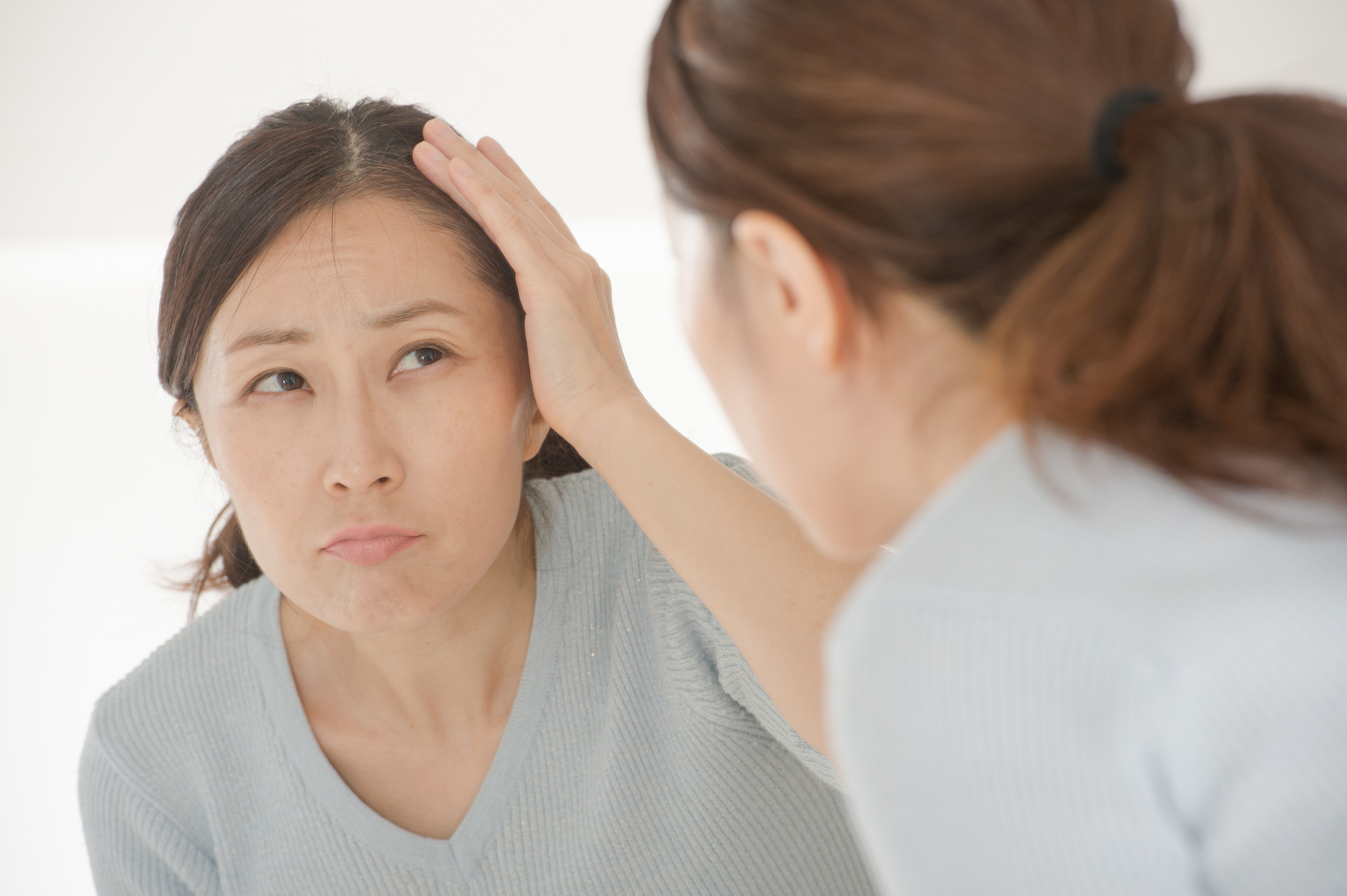
Alopecia areata is a condition characterized by round, coin-shaped patches of hair loss on the scalp.
It ranges from the relatively mild “single-lesion type” to the “multiple-lesion type,” “diffuse type,” and “total type”; in severe cases, symptoms can spread throughout the body.
While there are various treatment options, the most effective is considered to be topical immunotherapy.
We will explain why topical immunotherapy is effective, how it is administered, and the cases for which it is not suitable.
What is Local Immunotherapy?
Local immunotherapy is a treatment for alopecia areata that involves artificially inducing a skin reaction in the affected area to promote hair regrowth.
It is sometimes referred to as “SADBE therapy” after the name of the medication used to induce the reaction, or as “Sadobe therapy” based on the phonetic reading of the Japanese characters.
If effective, hair regrowth can be observed within two to three months, making it one of the most effective treatments available today.
This method is highly regarded worldwide and is recommended as a Grade B treatment in the Japanese Dermatological Association’s guidelines for alopecia areata.
The success rate is reported to be between 60% and 90%, and there is no risk of serious systemic side effects.
Why does hair grow when you get a rash?
In areas affected by hair loss, T cells—a type of immune cell—gather around the hair follicles.
It appears that, for some reason, these T cells are destroying the hair matrix cells in their own hair follicles.
Topical immunotherapy induces a rash on the skin’s surface, drawing T cells to the skin’s surface and away from the hair follicles.
As a result, it is said to halt the destruction of hair matrix cells.
While some aspects of topical immunotherapy remain theoretically unclear, there is no doubt that it has been clinically proven to be highly effective in promoting hair regrowth.
However, it is not yet approved in Japan, so if you undergo this treatment in Japan, it is not covered by insurance and must be paid for out-of-pocket.
How does topical immunotherapy treat alopecia areata?
Local immunotherapy proceeds as follows.
- Sensitization
- Decision
- Continuation
- Progress check
Sensitization
First, we expose the immune system to reagents such as SADE and DPCP.
We apply these reagents, which do not occur naturally, and leave them in place for 24 hours.
If the area becomes red, swollen, and irritated 1 to 2 weeks later, we conclude that the lymphocytes have recognized the reagents.
This process is called sensitization.
Decision
Once sensitization is confirmed, we proceed to the second stage of treatment: the decision phase.
This involves determining the appropriate concentration of the reagent.
We begin by applying a reagent diluted to approximately 1:20,000 once every two to three weeks to assess its effectiveness.
By artificially inducing a skin reaction, we suppress the activity of lymphocytes that attack hair follicles, thereby promoting hair growth.
Continuation
Once the concentration has been determined, continue treatment by applying the solution to the affected area once every 2 to 3 weeks.
If hair regrowth is observed after 2 to 3 months, you will continue applying the solution.
Once hair has grown back to a certain extent, you may reduce the frequency of application; however, if no results are seen, treatment may need to be continued for an extended period.
Progress check
Be sure to have your doctor check your progress once a month.
Benefits of Local Immunotherapy
Local immunotherapy offers the following benefits:
- Highly effective
With a success rate of 60% to 90%, this treatment is highly effective, and it often yields positive results even for patients who have not responded to oral or topical medications.
-
- Just as with oral medications, there is little concern about side effects affecting internal organs. We recommend this treatment for those who have experienced side effects from steroids or other medications and have not seen improvement, as well as for those who have not seen improvement with other treatment methods.
- Since this treatment is not covered by insurance, you will need to pay out of pocket; however, the cost per session ranges from 1,000 to 3,000 yen, so it is not particularly expensive.
- Effective for various types of alopecia areata. Types of alopecia areata include single-lesion, multiple-lesion, total, and universal forms, and this treatment is said to be effective for all of them.
- Effective for women and children alike: This treatment is effective not only for women but also for children with alopecia areata. Many patients who have undergone this treatment have experienced its benefits, and it is known to be highly effective.
Disadvantages of local immunotherapy
Although topical immunotherapy is considered a highly effective treatment, there are rare cases where it does not suit a patient’s constitution.
Since it can cause skin irritation, it may lead to generalized contact dermatitis and, in patients with atopic dermatitis, may worsen their symptoms.
However, mild side effects such as itching, localized redness, swelling, depigmentation, hives, and worsening of atopic dermatitis may occur.
If inflammation becomes too severe, systemic toxic rashes or anaphylactic shock may occur, so careful treatment is necessary.
If such symptoms appear, it is necessary to discontinue application and switch to a different treatment.
If you prefer a treatment method without side effects, options include cryotherapy using dry ice or traditional Chinese medicine.
If you undergo topical immunotherapy, visiting a dermatologist or a clinic specializing in hair regrowth will allow you to receive treatment with peace of mind.
The treatment period lasts from six months to a year, so it is not an immediate solution and requires long-term commitment.
For more information on other treatments for alopecia areata, please see the article below.
Causes of alopecia areata
This is an autoimmune disease caused by an autoimmune reaction in which CD8-positive T lymphocytes—which normally function as the body’s defense mechanism—mistakenly attack self-antigens (melanin-related proteins) in the hair follicles.
As a result of this autoimmune reaction, the hair follicle tissue in the affected areas atrophies and becomes damaged; however, once the lymphocyte reaction subsides, hair will regrow as before.
It is not yet understood why the lymphocytes react incorrectly.
Physical stress and viral infections are also considered potential triggers.
Since the condition resolves once stress and pressure are alleviated, it often heals completely within a short period (approximately 6 months).
The causes of alopecia areata are explained in detail in the following article.
Summary of topical Immunotherapy
Alopecia areata is often overlooked because it doesn’t cause symptoms like itching or pain that significantly disrupt daily life.
However, losing all one’s hair—both on the head and elsewhere—can be a major shock to the person affected.
This can lead to social withdrawal, and in many cases, people become so self-conscious about others’ gazes that they develop social anxiety or fear of being watched.
This, in turn, can become a source of stress that hinders treatment, making the support and consideration of those around them essential.
If you are struggling with alopecia areata, why not give topical immunotherapy a try?
Please feel free to contact an AGA specialist clinic.